13.4. – 11.05. 2026
Residency outcome: 7.5. 2026
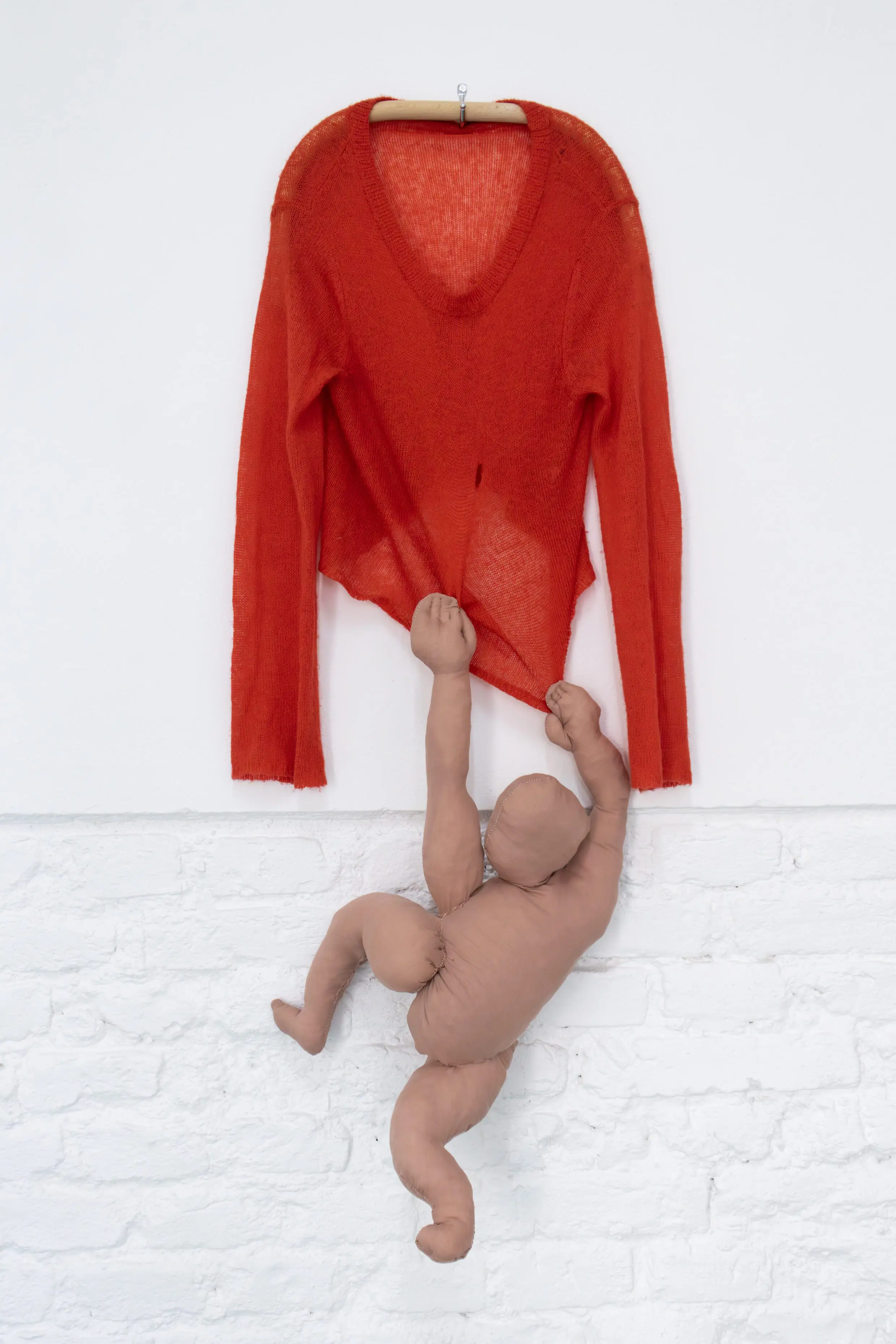
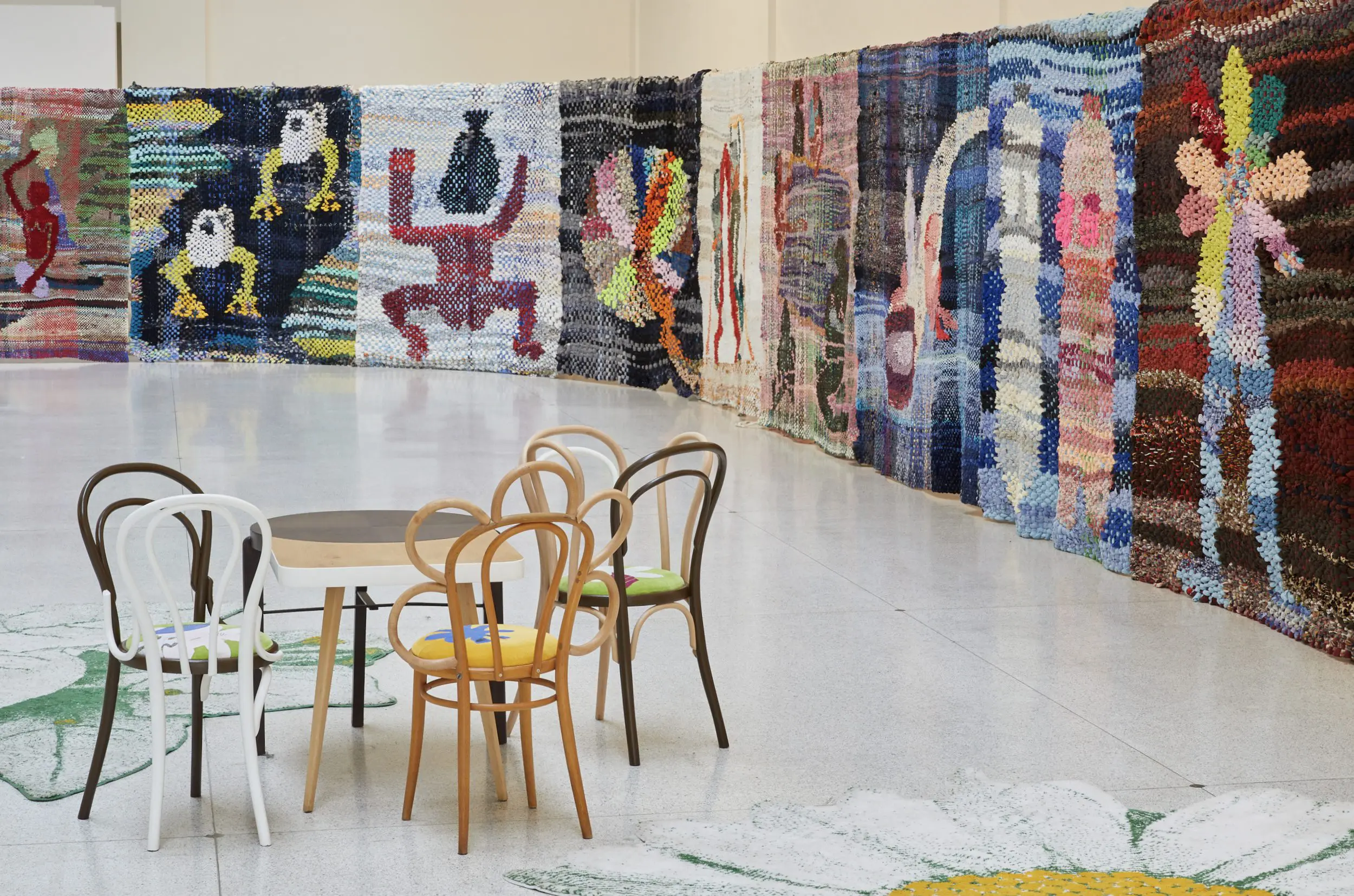
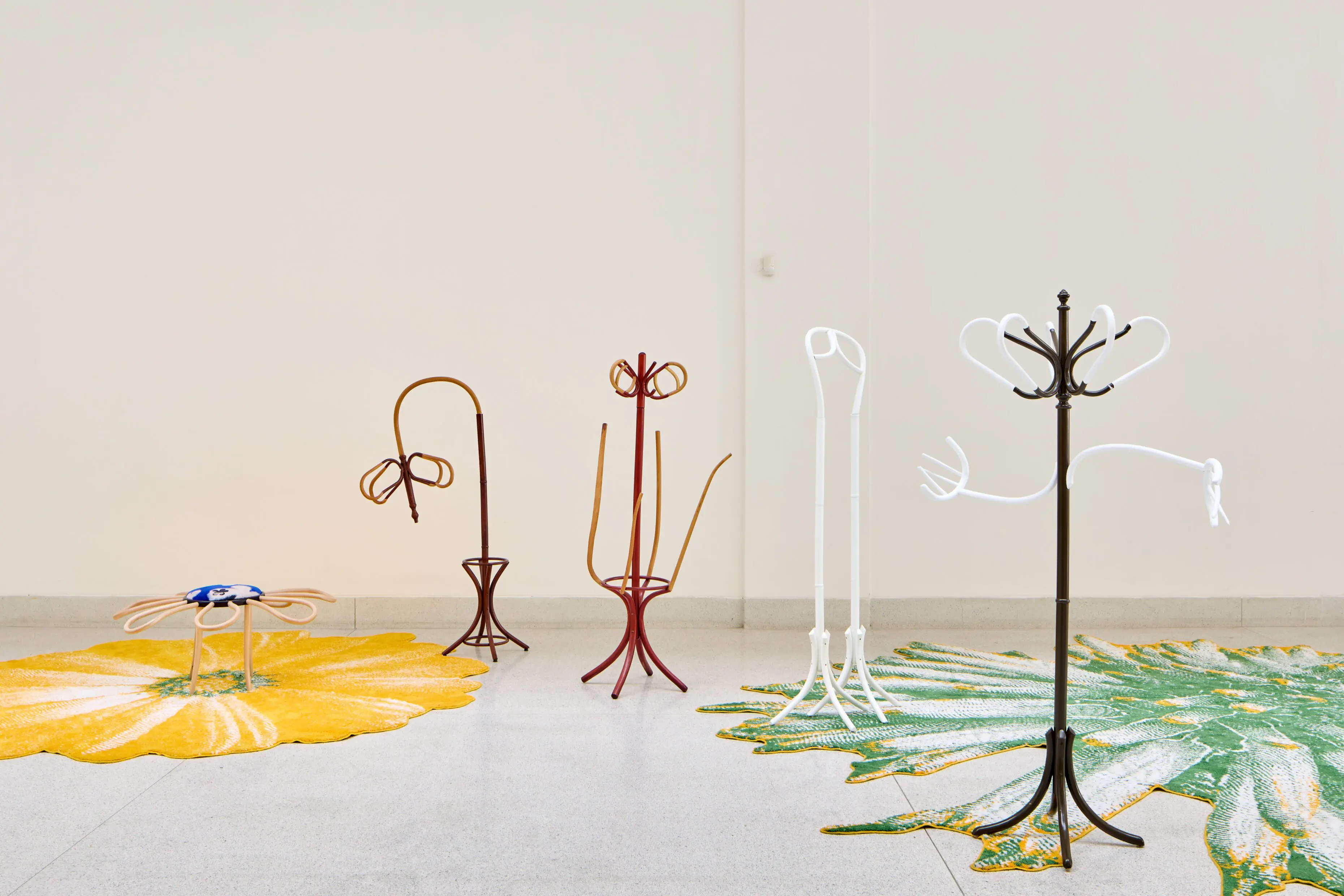
Barbora Fastrová is a visual artist based in Prague. She originally studied photography at UMPRUM, but her practice has expanded to include sculpture, installation, and drawing. In her work, she focuses on themes of materiality, transformation, and sustainability, with an emphasis on waste and recycled materials, particularly textile waste, which has become a key element of her current practice. Since 2014, she has been collaborating with Johana Pošová; together they have realized projects such as Gris Gris (GfZK Leipzig) and Brother (Syntax, Lisbon), and in 2018 they initiated the Cheap Art project, which addressed the topic of sustainability in an institutional context. In 2022, she participated in the Flower Union project as part of the Czech Presidency of the Council of the EU. At the same time, she develops her solo work and participates in international residencies. Her work intersects with ecological art and ecofeminism, and she views sustainability as a fundamental principle of her practice.
During this residency, I am focusing on textile waste as both a material and cultural phenomenon linked to overproduction and the shifting value of objects in contemporary society. Through long-term and systematic work with the material, my imaginary world has evolved—a speculative visual conception of the future in which textiles function as one of the fundamental building blocks of the environment and organically intertwine with living organisms and bodily forms.
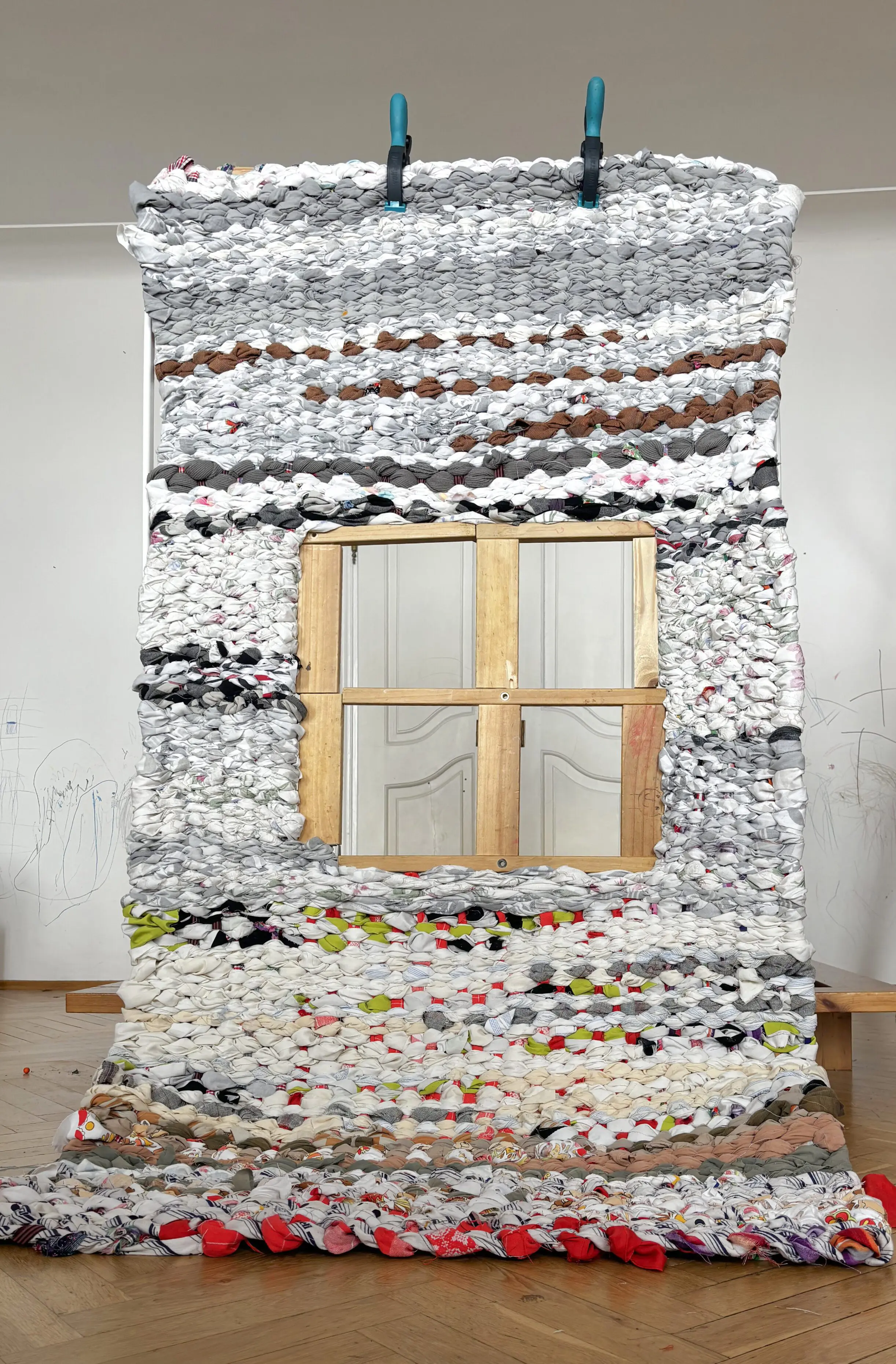
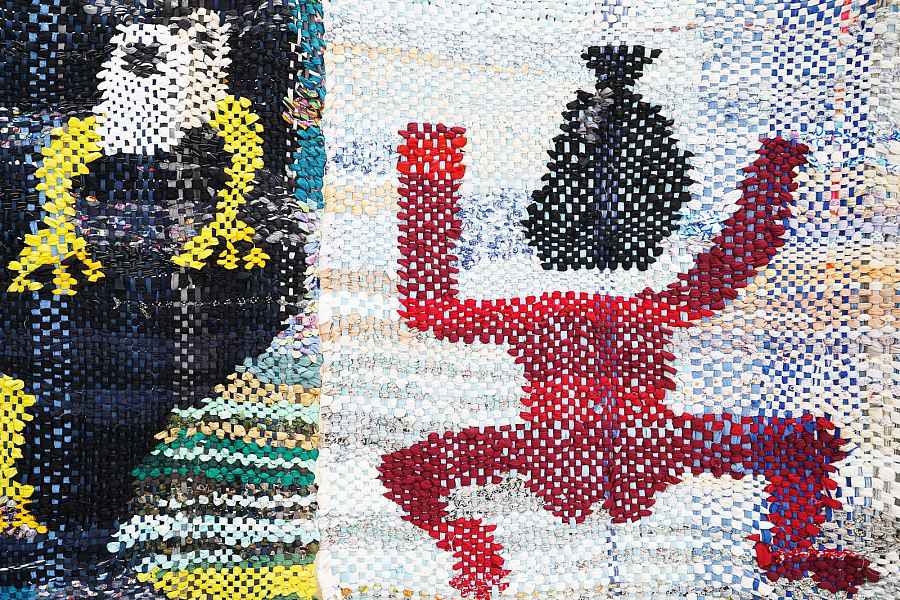
Building on previous projects and through weaving and layering, I create sculptures and performative, wearable objects. The process of their creation is based on time-consuming manual labor, which becomes a gesture of repair and a form of care—both ecological and personal.
The goal is to create a series of objects from discarded clothing—a sort of textile structure that absorbs material surplus and transforms it into a new form. Each of them contains dozens of pieces of clothing and, on a symbolic level, functions as a vehicle for the process of reducing overproduction, relieving the world of excess material.