
Radka Částková and Magdalena Šimurdová
In the late 1960s, 1970s, and in the following decade, unofficial art in the former Eastern Bloc developed conceptual practices under controlled and restricted artistic conditions. These practices, which share certain similarities in terms of ideas and aesthetics, content and form, are the result of various levels of permeability within the political regimes which allowed a certain degree of international cultural openness, thus formulating a non-homogenous territory and an unequal position of solidarity. Compared to its Western counterpart, the conceptual art of the Eastern Bloc formulated its own unique agenda in dealing with political oppression, finding ways of adaptation and contact not only within these territories, but also with the West and other parts of the world. Facing different historical backgrounds and political turmoil—given the events of the Prague Spring, followed by the invasion of Czechoslovakia by the Soviet Union in 1968, the totalitarian regime imposed by the president Nicolae Ceaușescu and the Communist Party of the Socialist Republic of Romania, especially after the July Theses in 1971 as well as the austerity policies of the 1980s—Romania and Czechoslovakia are linked within the Eastern Bloc, sharing the hopes and despair generated by the ideological repression.
The selection of works by Romanian and Czech artists formulates a particular visual and theoretical framework for understanding the common struggles and tools of expression in a context of limitations where individual practices, which are more frequent than collaborative ones, share common interests. The chronological layer, which also tracks the transition years after the fall of the Iron Curtain as well as the contemporary times, intersects with a transhistorical layer from totalitarianism to capitalism, allowing for a generous perspective on the multifaceted realities and artistic expressions fueled by despair, through the social practice of hope.
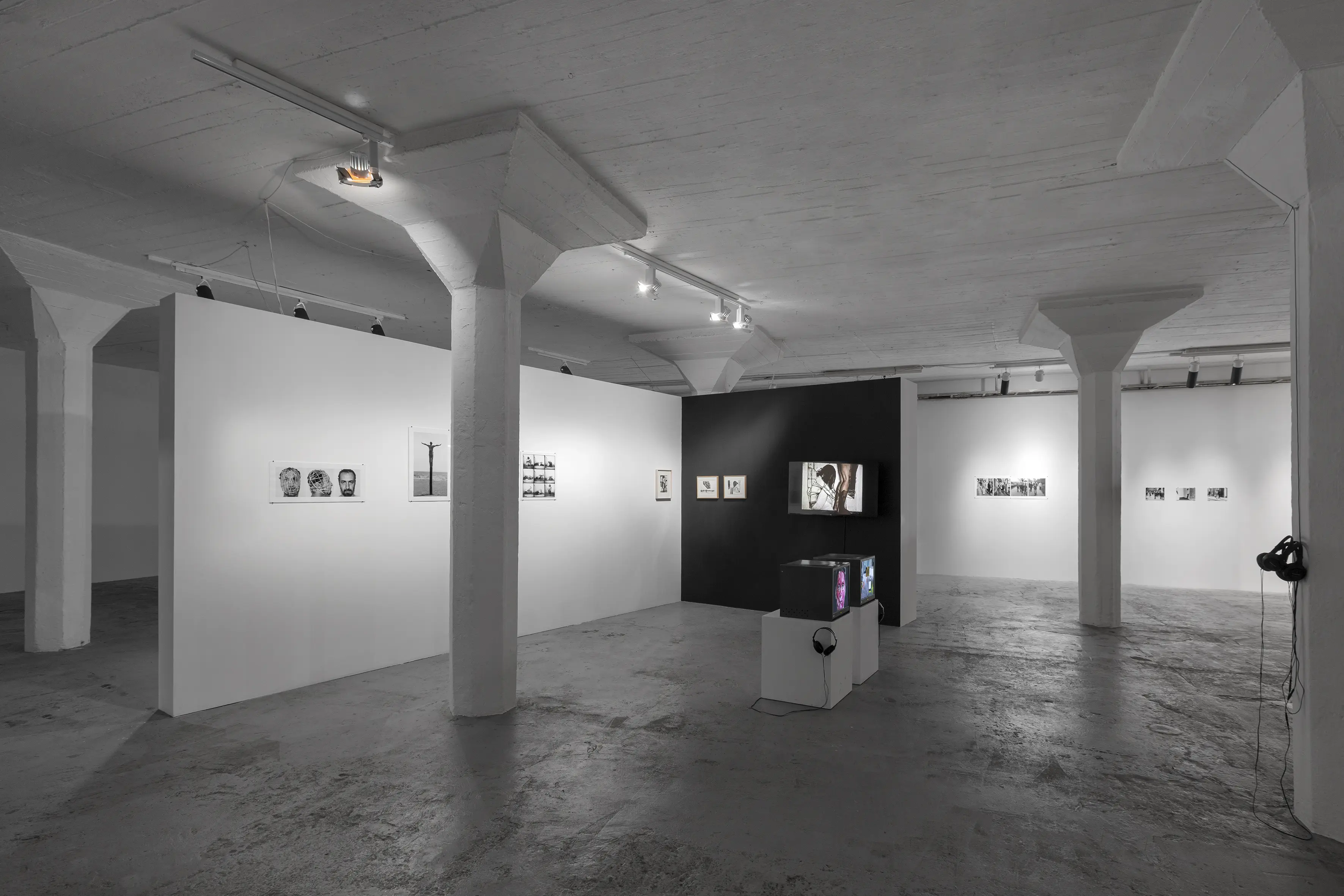
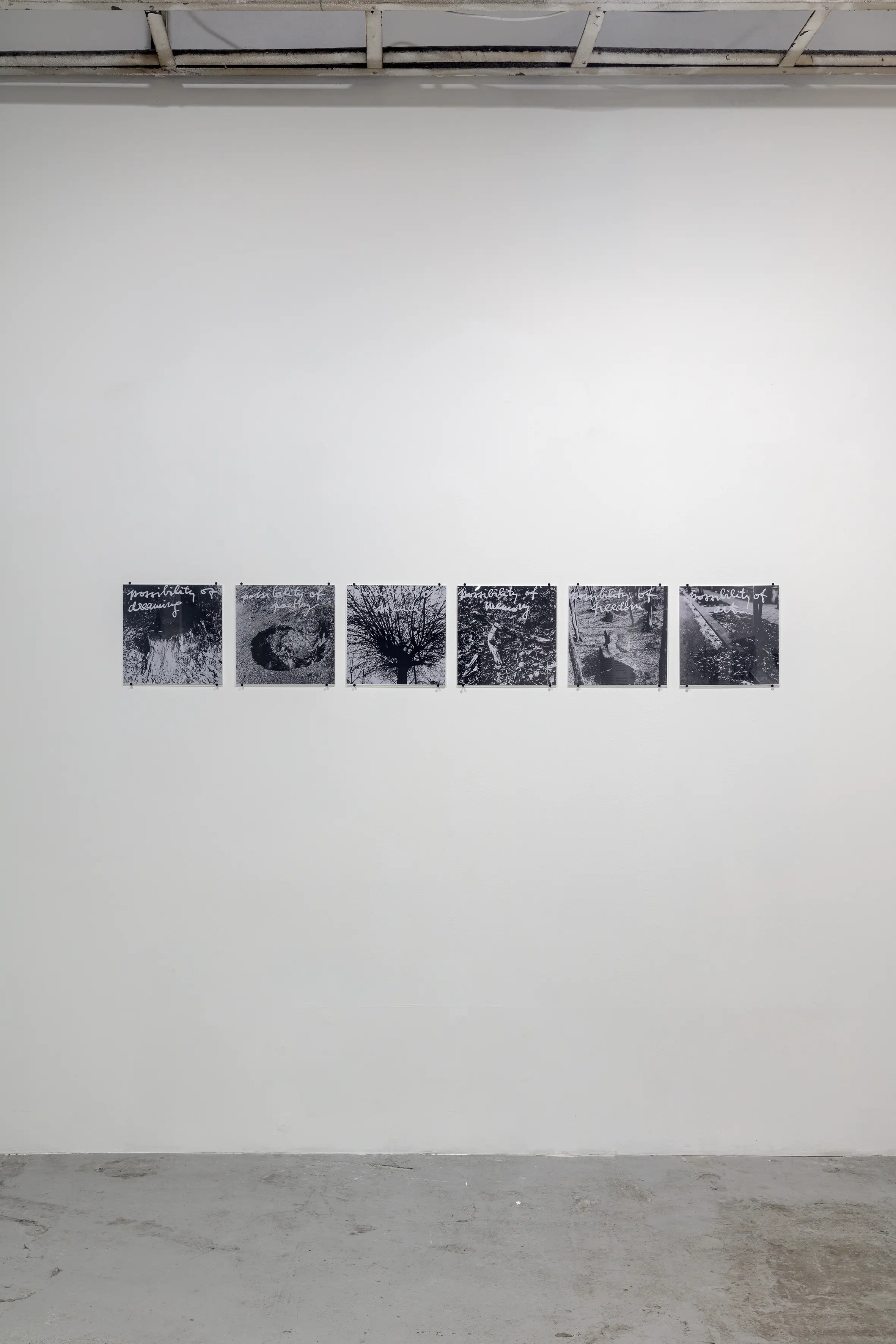
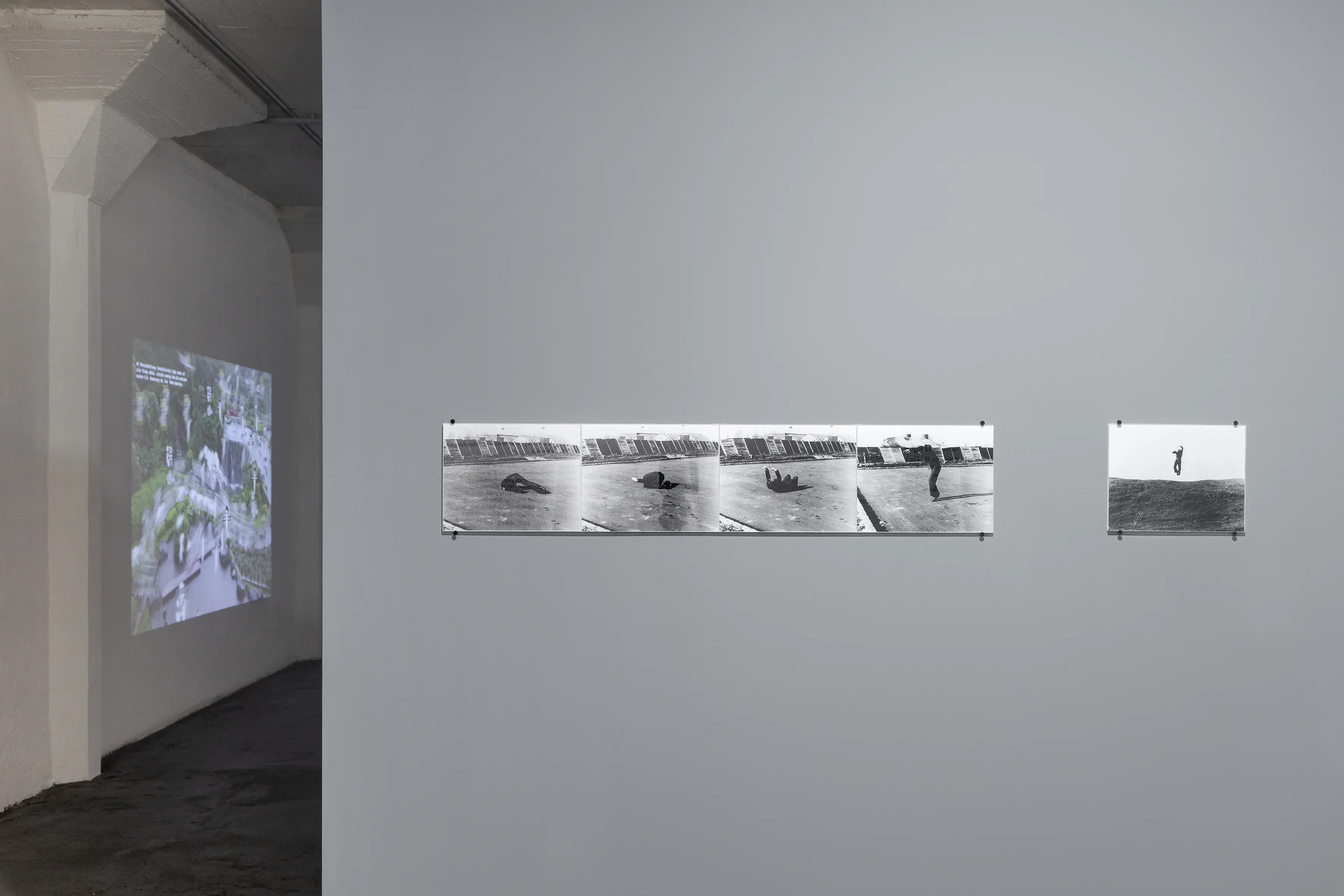
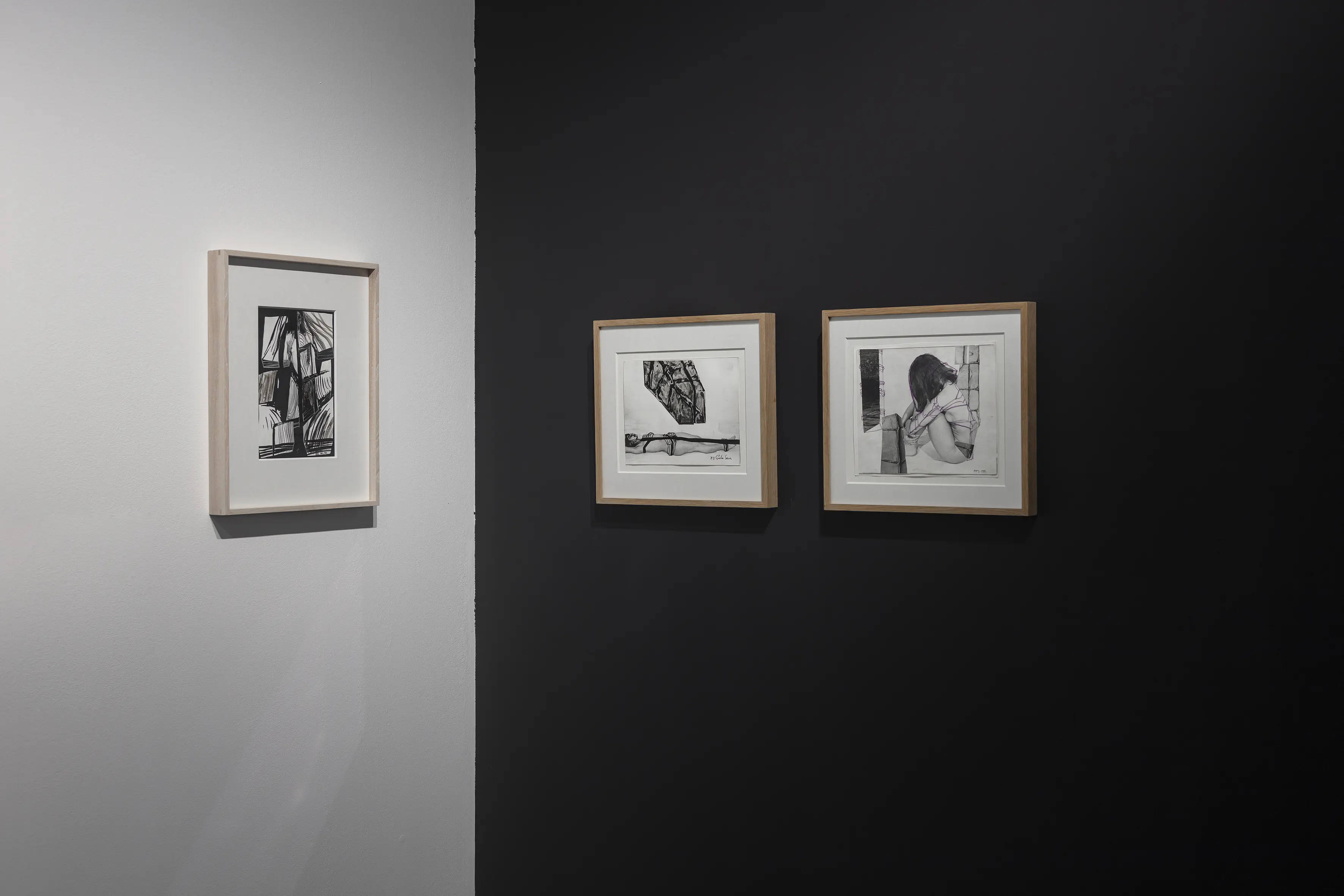
A Spring of Hope, A Winter of Despair is built around a historical framework in the process of tracking the conceptual discourse practiced by the artists who were using mainly their bodies as tools of expression both in their private spaces and in public. The project also allows for a dynamic analysis of intersecting layers and connections which can be pointed out transhisorically through the method of visual proximity, challenging notions of chronology, periodization, and isolation. Processuality, performativity, repetition, which have been at the core of conceptual art, should be understood as a response to ideology and repression but not necessarily as a gesture of resistance in its pure political meaning, but rather as a parallel form of art to the official art and a gesture of freedom in exploring new ideas that would involve body, time, space, and the dematerialization of art as an object.
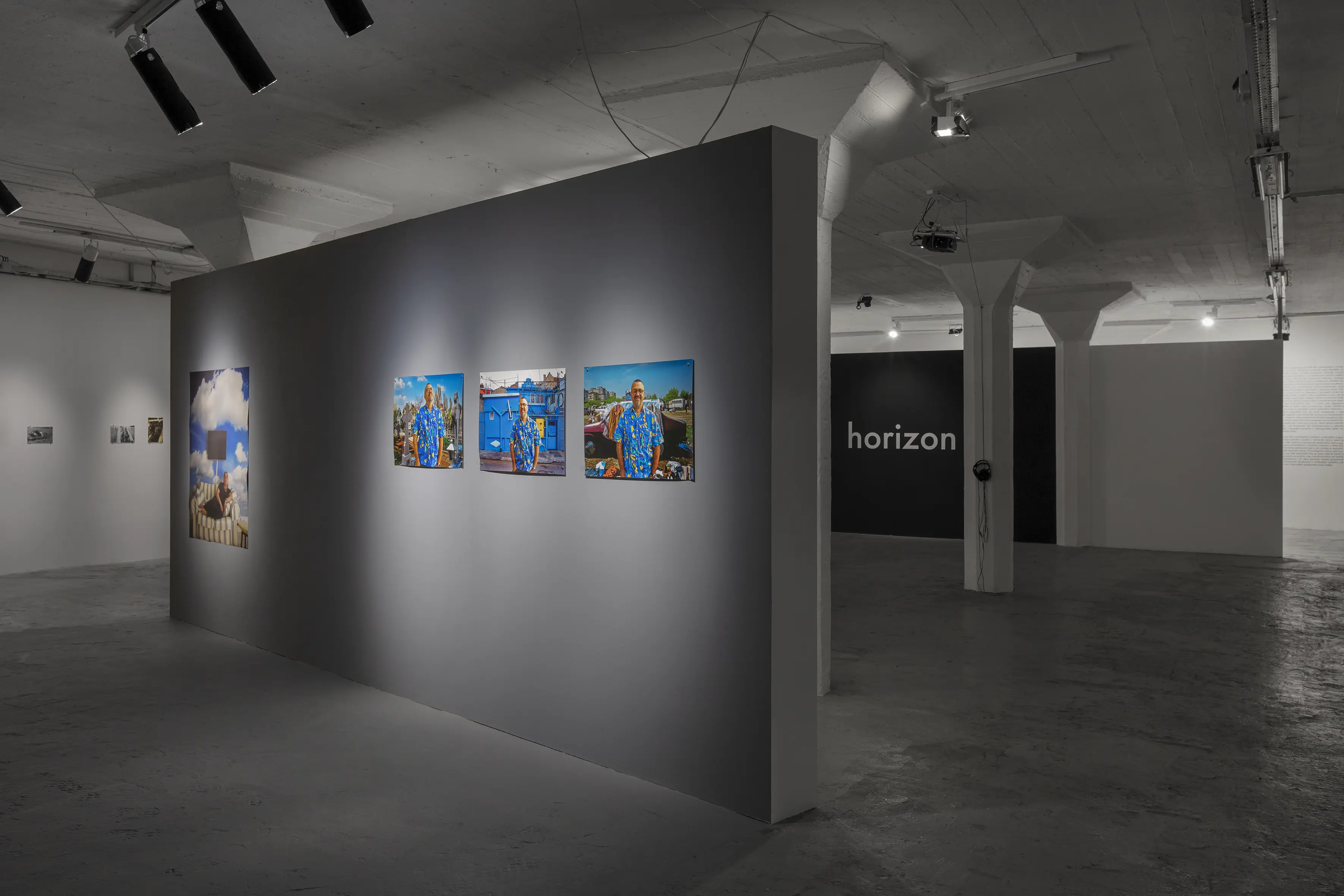
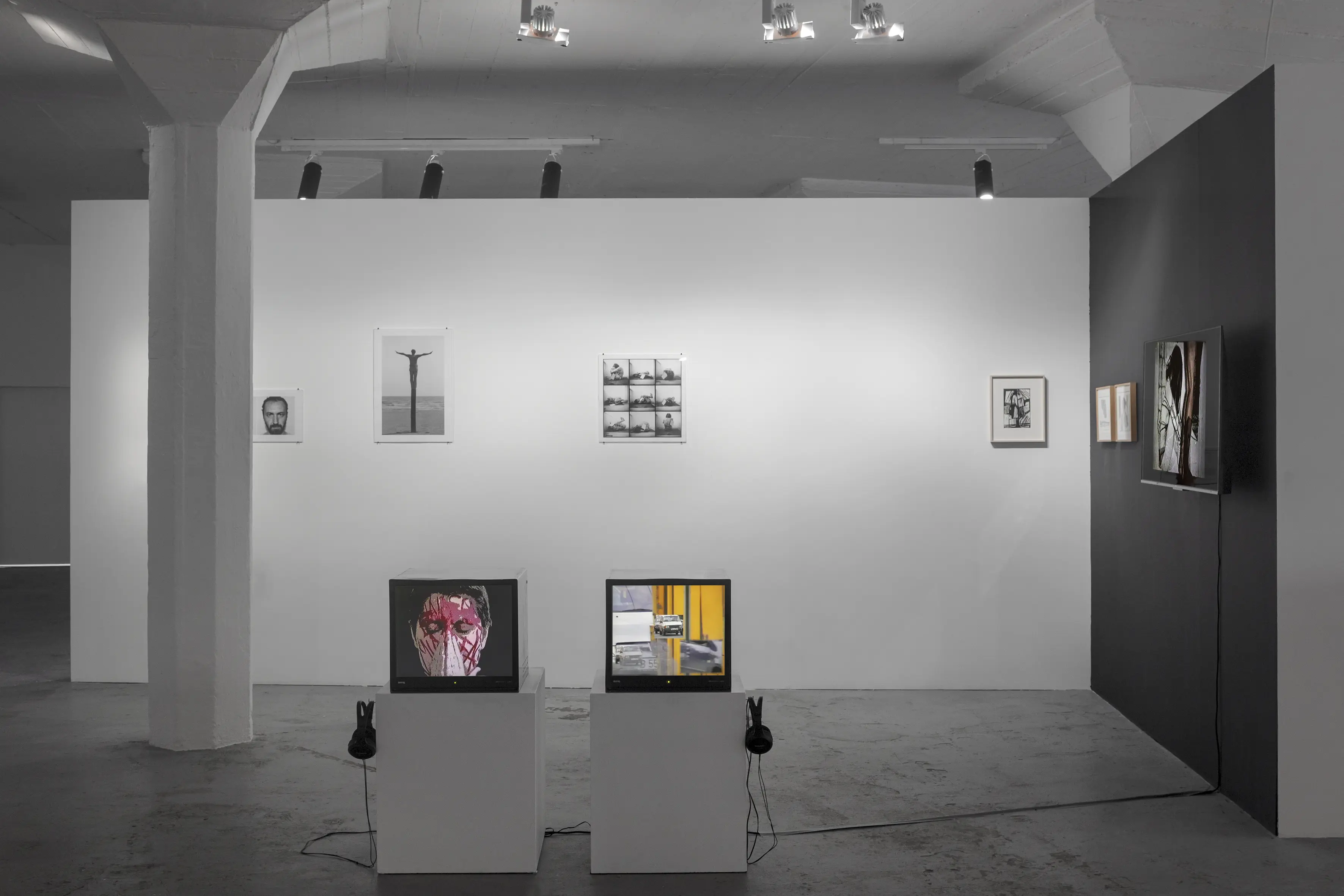
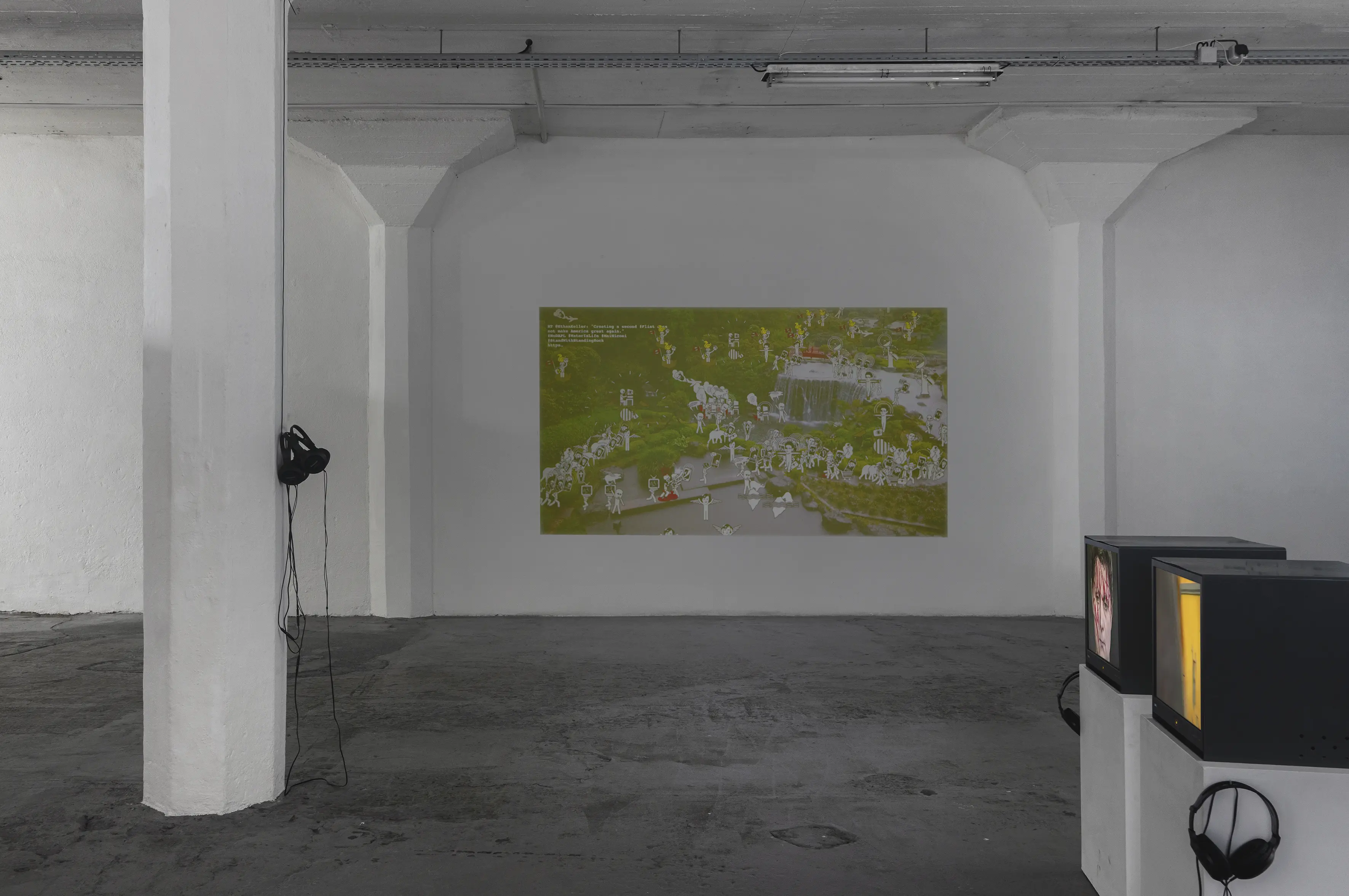
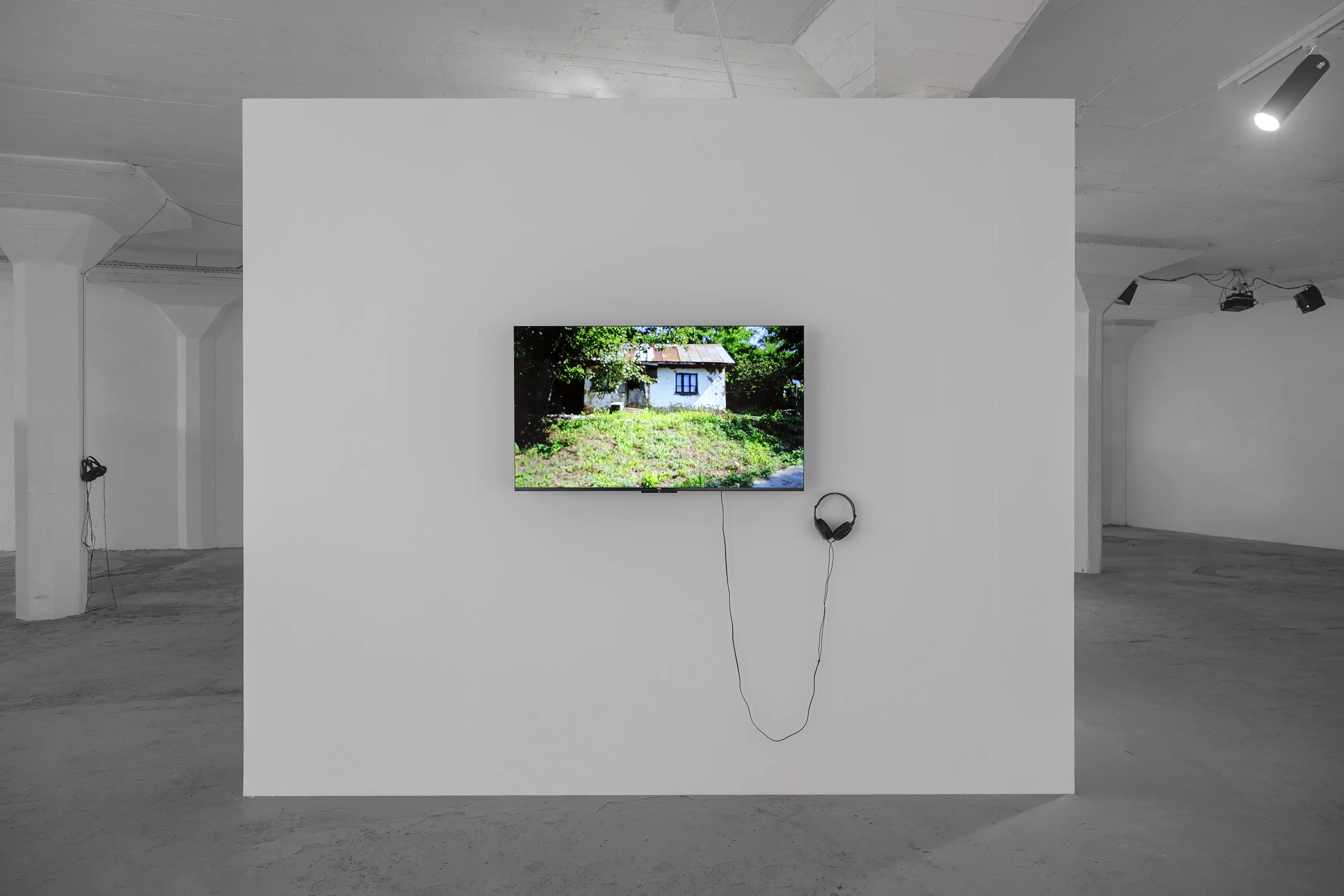
The conceptual practices that follow the transition period of the 1990s are engaged with the benefits of access to technology, moving further from the argentic photography to digital print and video art, exploring more theoretical postmodernisms, such as the gaze and the political implications of the female body, the stare and the power dynamics between the viewer and the viewed, or the philosophical and political implications of being seen. The recent artworks have the role of contemporary insertions in a predictable scenario where the historical recoveries and contextualizations would represent enough of a challenge, yet contemporary follow-ups prove not only the residual value of conceptual instrumentalization of a very intellectual and clean act of commenting on and complementing reality from a privileged point of view, but also the role of a more subtle comprehension of how ideas travel beyond the obvious influences. The visual proximities between artworks in this exhibition, which reflect similarities in terms of practice and aesthetics, are meant to enable questions regarding the Western influence as well as peer influence in the times of restrictions in terms of free movement and access to information. The proximities allow for a frontal affirmation in favor of a permeable border in spite of the mainstream definition of the ideological repression.
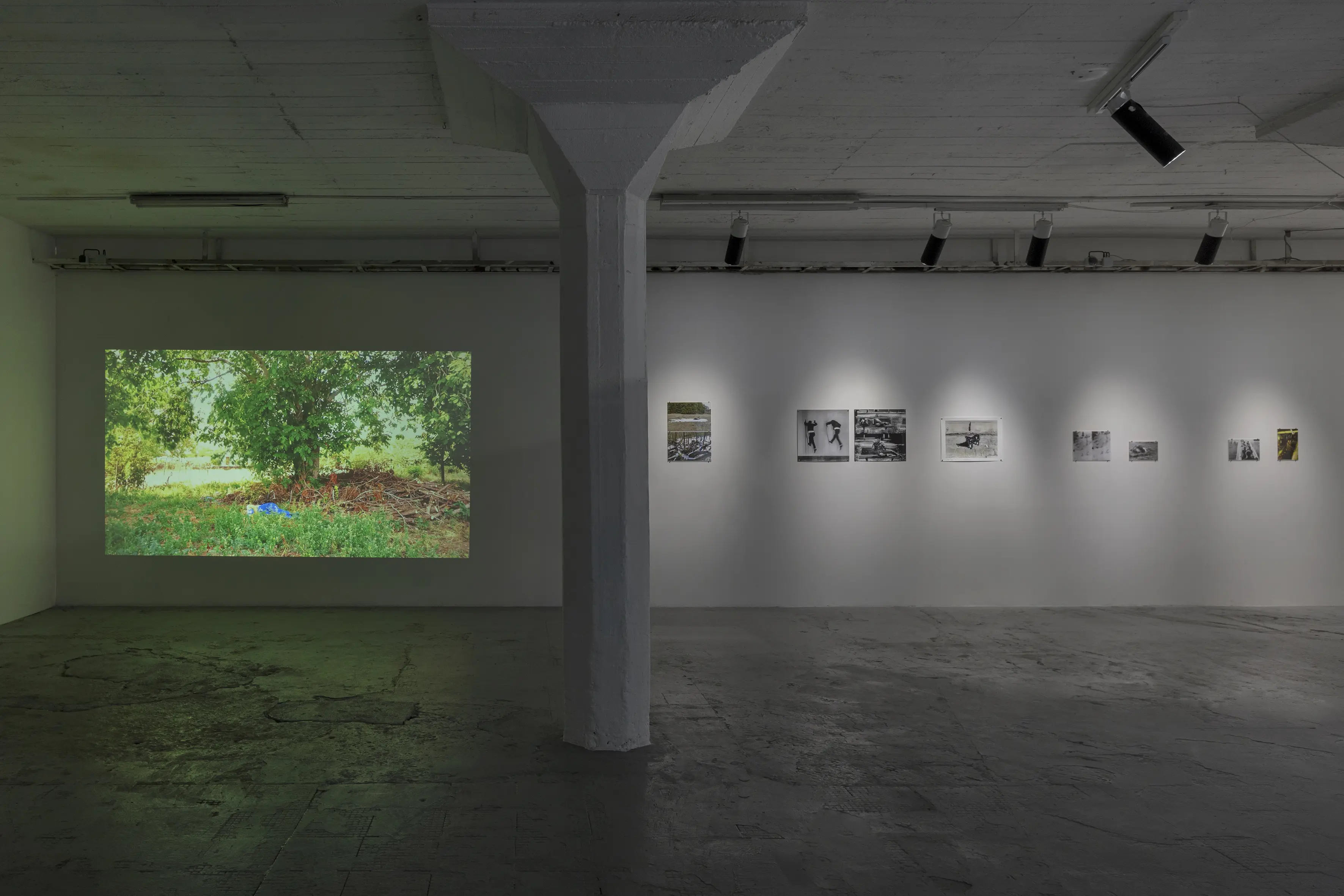
A Spring of Hope, A Winter of Despair, the title inspired by the book A Tale of Two Cities by Charles Dickens, which was first published in 1859, is an exhibition which could easily expand to the entirety of the former Eastern Bloc. It is a project forming a concrete way of researching art history practices of conceptualism in different contexts and connections in order to shape a better understanding of identities in terms of political and social implications of art practices and in terms of re-contextualizations of the past and the present altogether in search of similarities and connections rather than differences through separations. The experience of conceptual art seems to inhabit an intellectual space where artists explore physical boundaries, limitations, and values of the irrepetible. The photographic artworks from this exhibition made in the 1970s and 1980s function as a documentation which was rarely seen before 1990 and made without the awareness of a public future or a large audience. Their privacy is now exposed probably challenging the most important feature of the conceptual art from the socialist times: its insider value, both intellectually and effectively. The 1990s and the following decades up to the present time are charged with open discourses, with an alert distribution, out in the open, in the social media, in the cloud, everywhere, thus challenging the notions of privacy. The project is not only a historical reference, but also the mapping of humanizing experiences.