



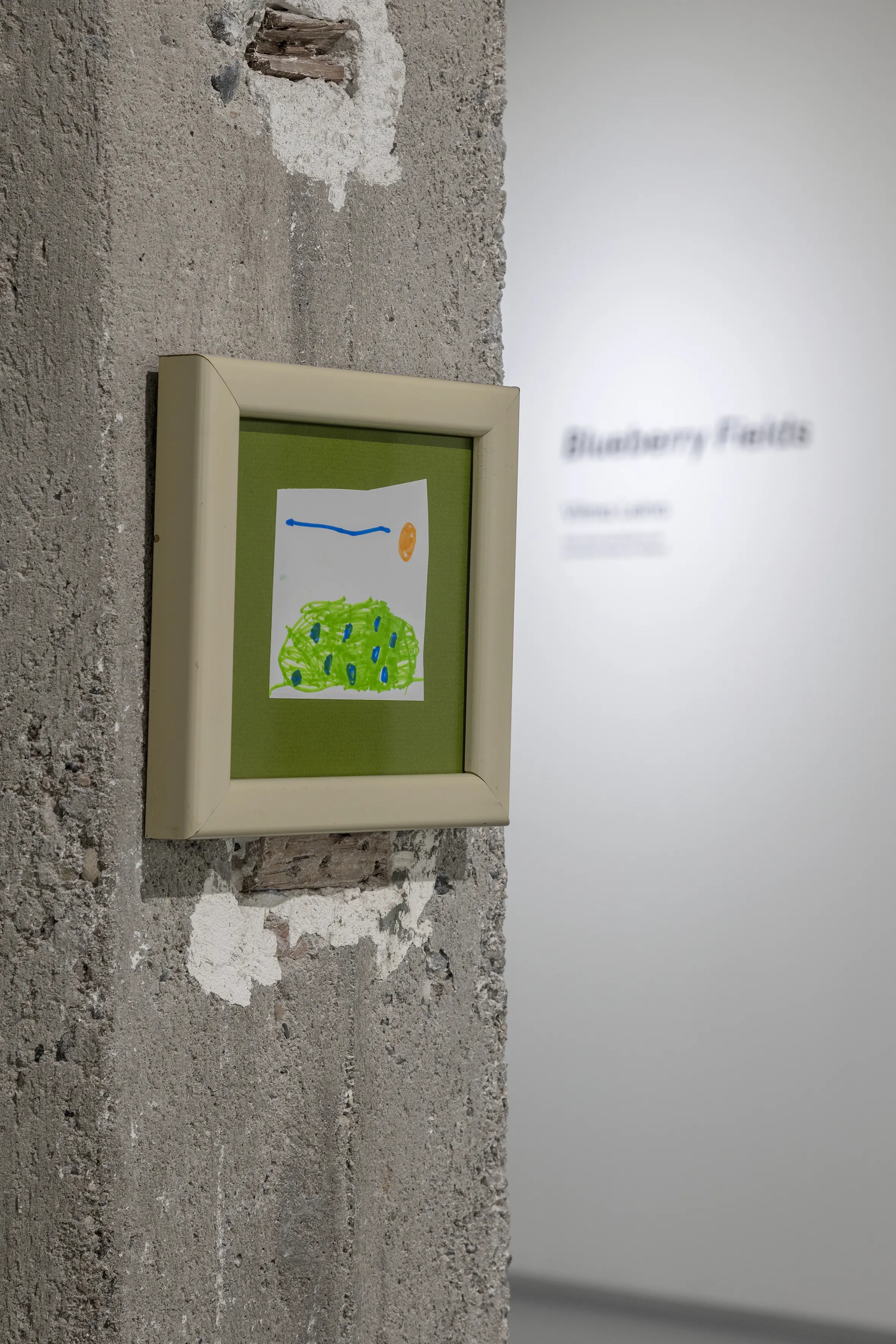
Matouš Marek, Marie Ladrová and Richard Nestler
„Oh, my childhood, days of my innocence! In this nursery I used to sleep; I used to look out from here into the orchard. Happiness used to wake with me every morning, and then it was just as it is now; nothing has changed.”
Anton Chekhov, The Cherry Orchard
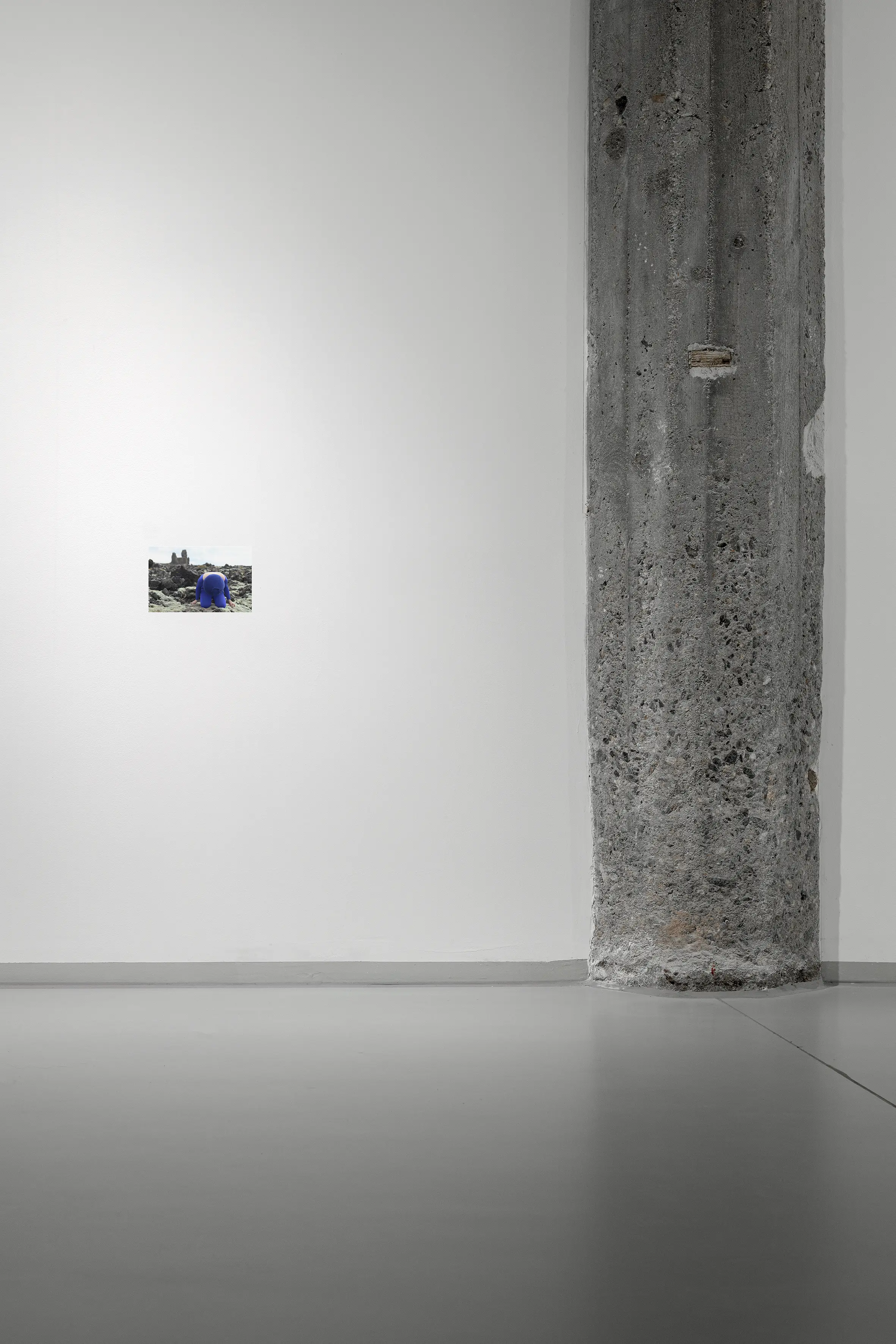
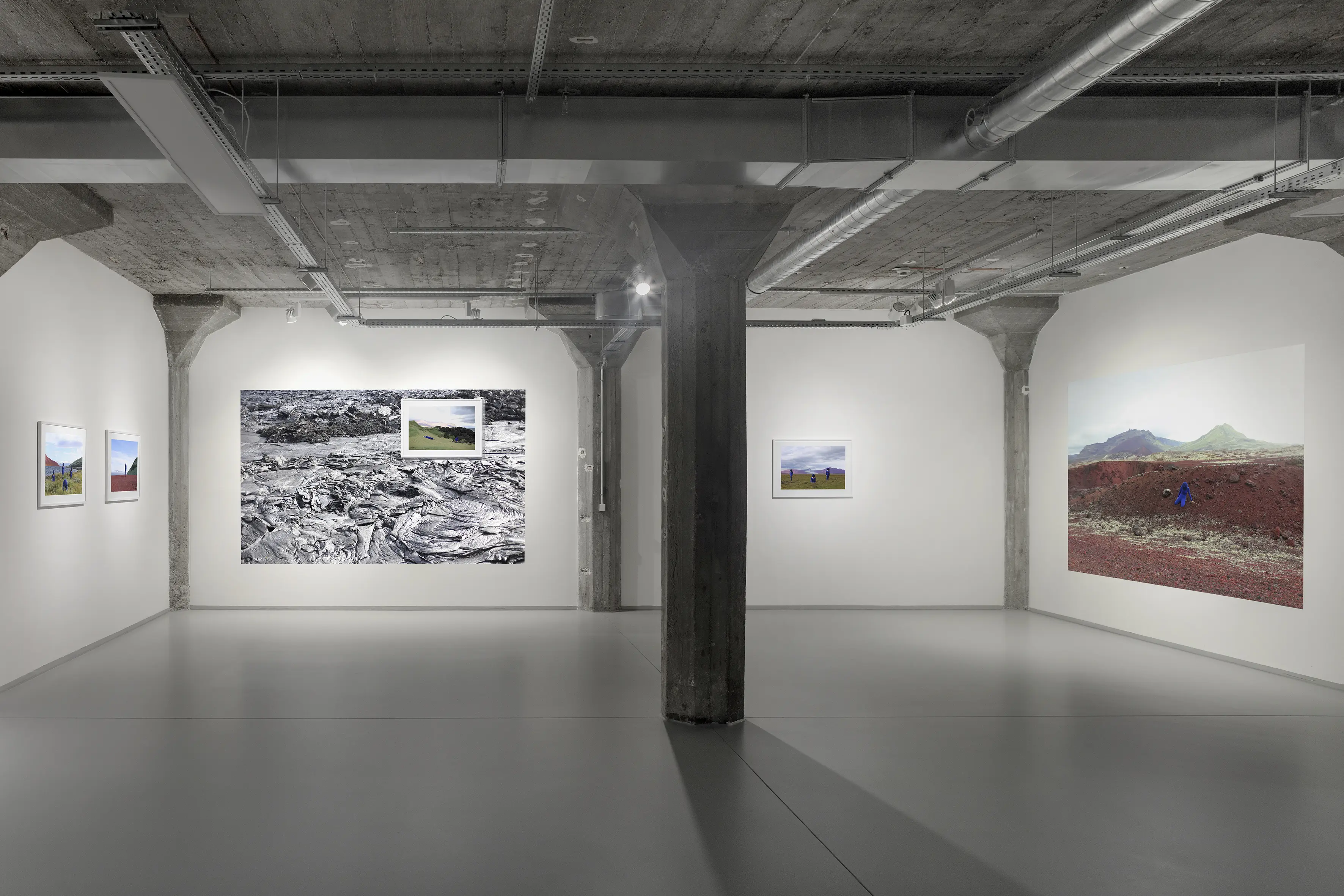
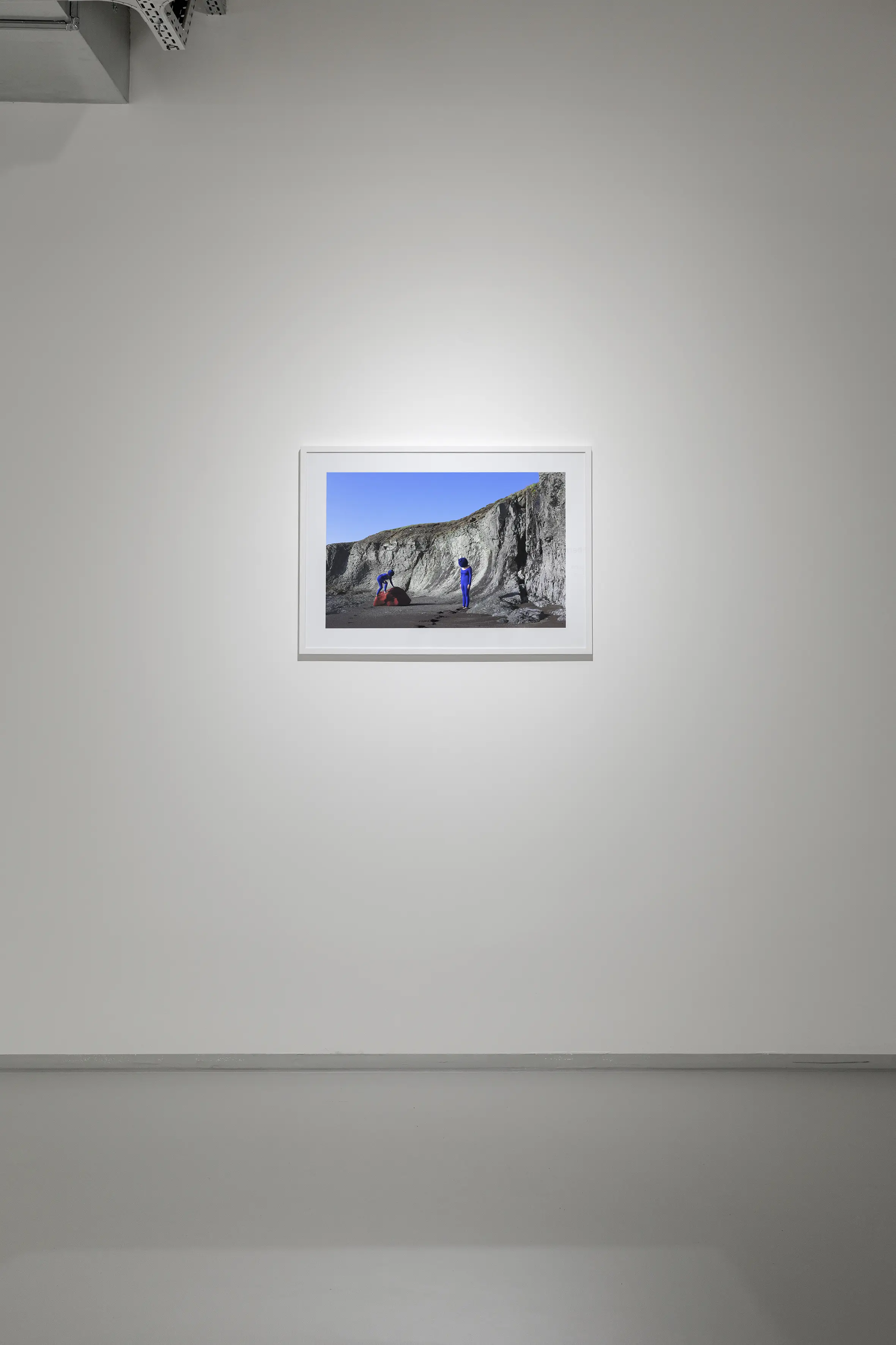
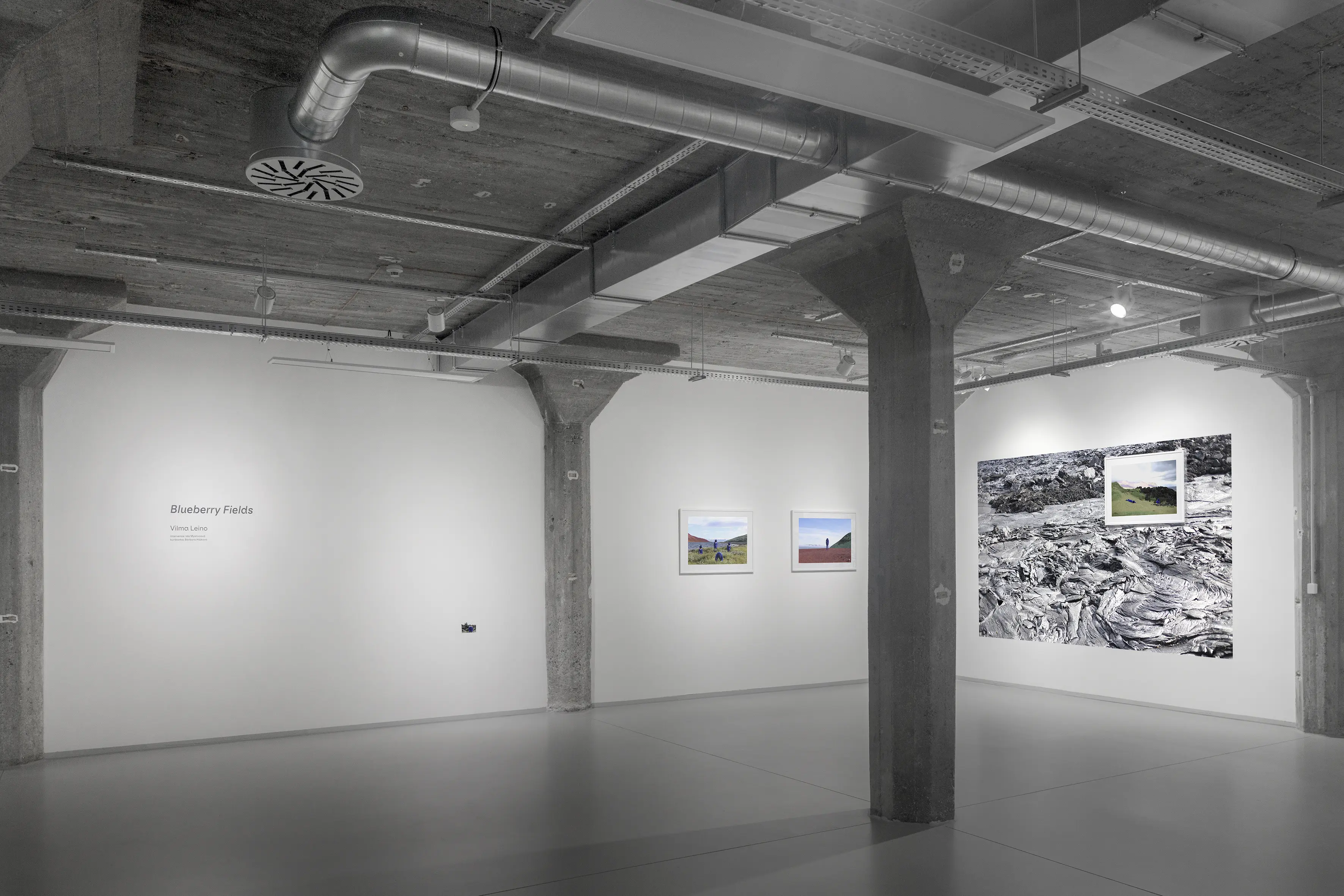
There was a bumper crop of blueberries this year. In fact, there was a bumper crop of all fruits. It was a good year. What do we do when there is a bumper crop of fruit? Do we dry it, preserve it, pickle it, freeze it? Or have we forgotten how to do these things, just like the characters in Chekhovʼs play? At the beginning of the 20th century, the Russian playwright placed the cherry orchard among the disappearing symbols of the world. At the time Chekhov was writing his play, the world was undergoing major technological and social changes. And just like today, questions were being asked about whether the old world as we know it should be preserved or changed from the ground up. Vilma Leino, a young Finnish artist living in Berlin, has moved from the exaggerated interiors and urban environments typical of her work to the countryside. Instead of cherry trees, she has chosen blueberries as a symbol of change. But the drama remains. The Blueberry Fields photo series unsettles viewers with the contrast between the inhospitable landscape and creatures that, at first glance, do not belong among the rocks, hardy grasses, and seacoast. The connection between the human and plant worlds is depicted in a multiple photographic self-portrait, which is typical of the artist. In addition, this time she uses a complex costume that allows her to immerse herself in interspecies thinking. The blue figures appear as if they have been involuntarily planted in the environment with the task of colonizing the space and at the same time forced to live together. In this metaphor, we can think about loneliness, self-acceptance, the necessity of maintaining interpersonal relationships, and building and disrupting communities.
Blueberries colonize inhospitable landscapes. Silicate and calcareous rocks, moors, mountain and sedge grasslands, but they are at home among dwarf shrubs, in pine forests, spruce forests, and oak forests. They like acidic, low-nutrient, humus- -rich, and not too dry soil. That’s because they come from the Ericales family – heath-like plants. For the berries to grow on the bush, two plants must be pollinated. Otherwise, they will not bear fruit. One blueberry bush is infertile without the other. Loneliness is evident in blueberries. They are depressed, sad, and helpless. However, when different types of blueberries are together, their berries are larger and more numerous. Monoculture does not suit them. They adapt relatively well to stressful conditions. The Pierce method determined that their stress score is 63.7%.