

Radka Částková and Magdalena Šimurdová
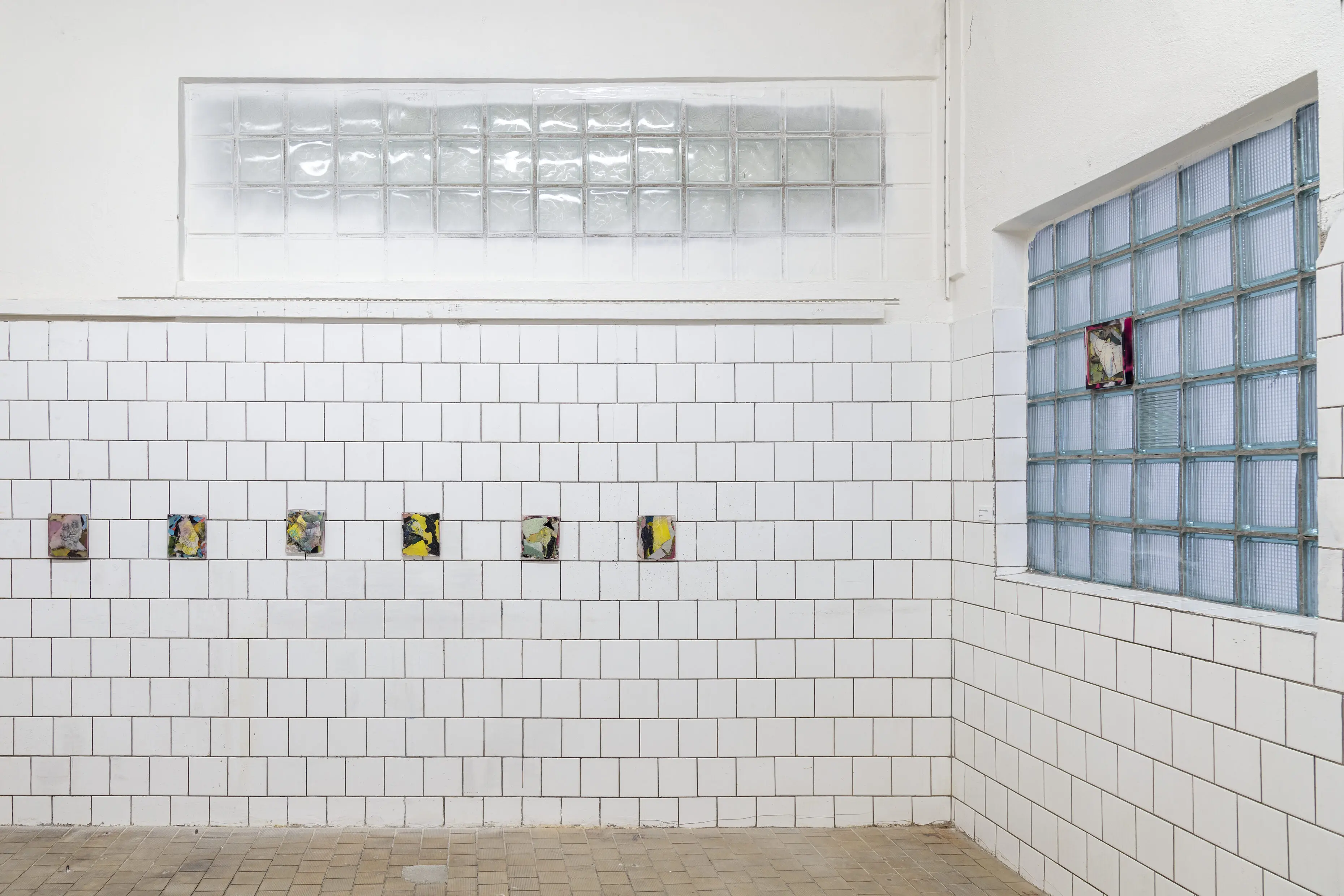
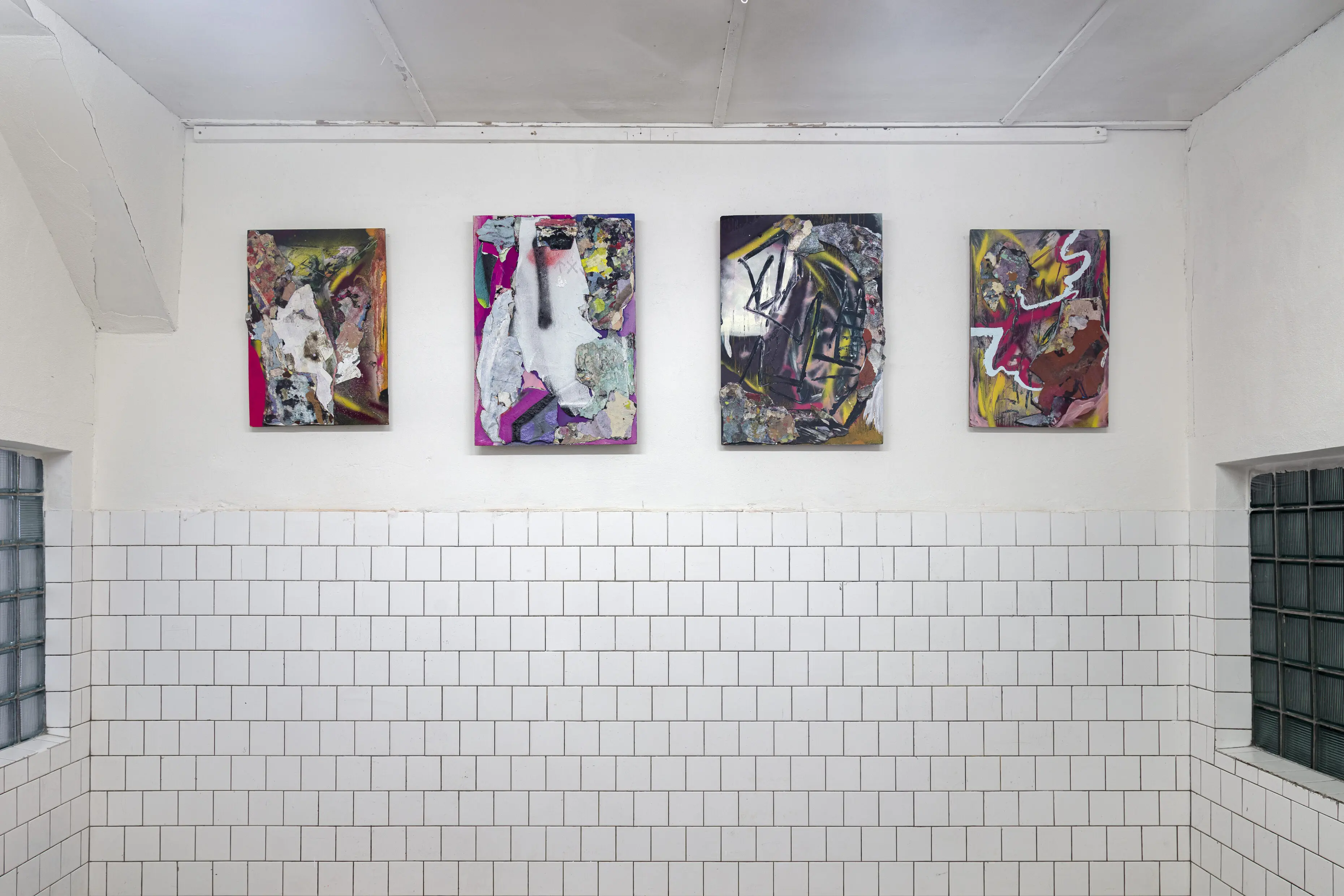
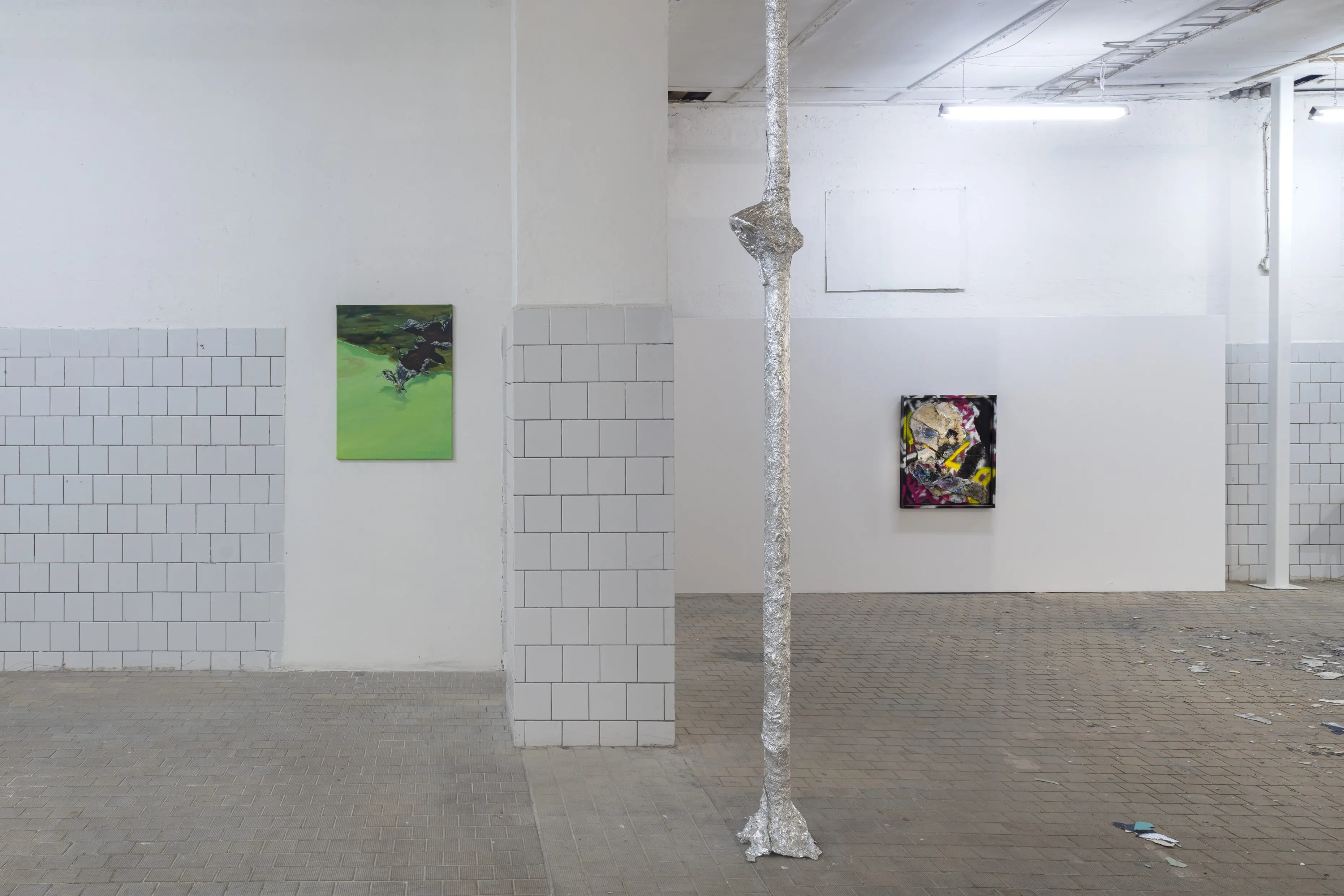
Pragovka Gallery presents the exhibition called “I can answer you tomorrow” by Adéla Kostkanová, Lucie Kultová and Veronika Nemejovská in The White Room. In their joint exhibition prepared specially for the gallery space, a trio of young female artists, related by generation, explore three distinct creative approaches. Their common denominator is a diligent and subjectively defined search for the possibilities in communication through painting. All three painters consider painting the most open format. The multi-layered and self-reflective study of complicated psychosocial aspects of everyday life offers in a wide spectrum of authors’ approaches: “traditional” veristic paintings in selected works by Veronika Nemejovská and experimental games on the edge of the very essence of painting are present in various forms throughout their works. This results in an intentionally ambiguous statement about the world in which the authors live. The creative efforts of Adéla, Lucie and Veronika are carried out as careful and sensitive examination of their surroundings rather than normative manifestation of their firm ideological beliefs. The characteristic elements in the works of all three artists are the re-occurring motifs of destruction and decay, which are followed by attempts to retroactively reconstruct or create a formally new structure.
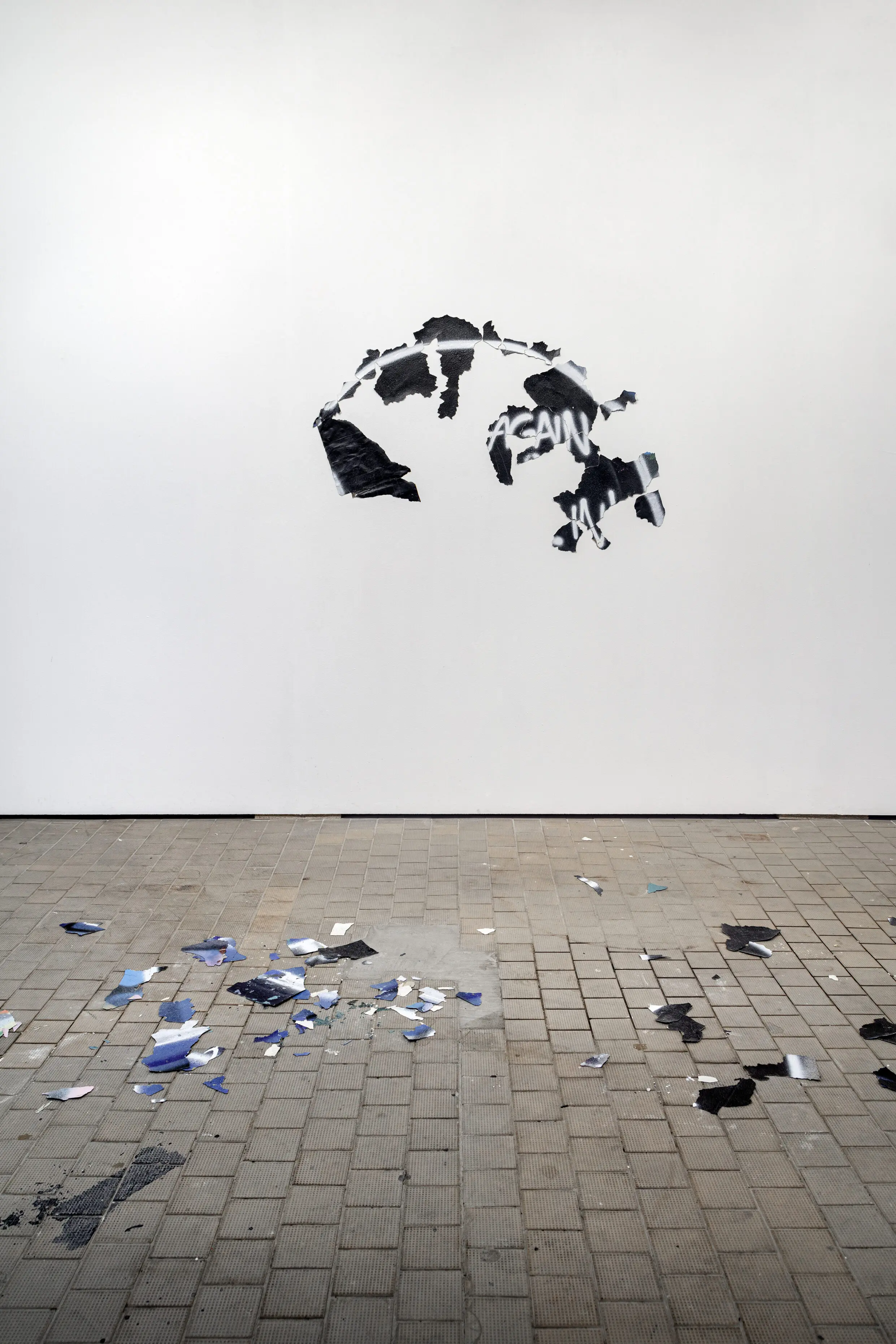
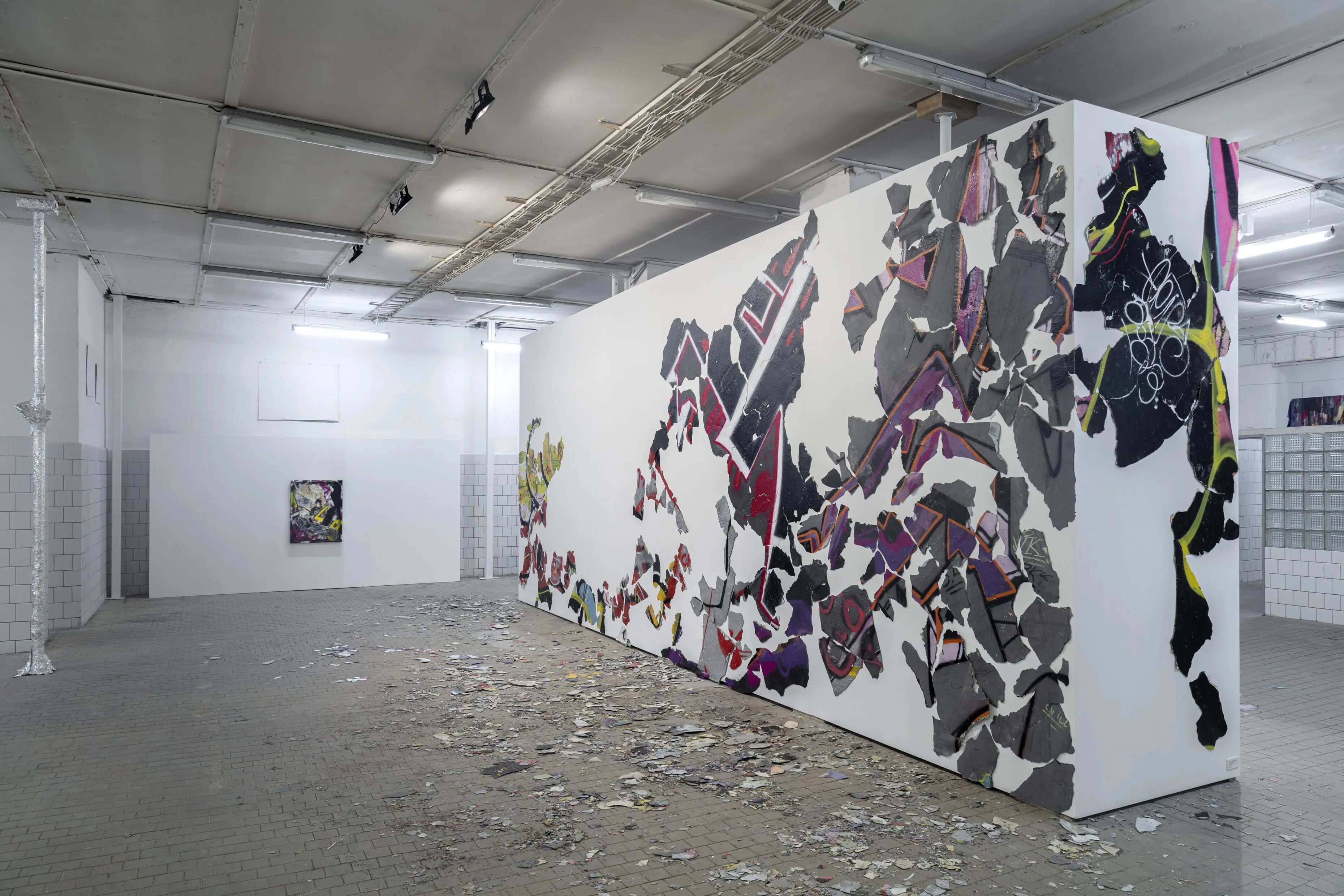
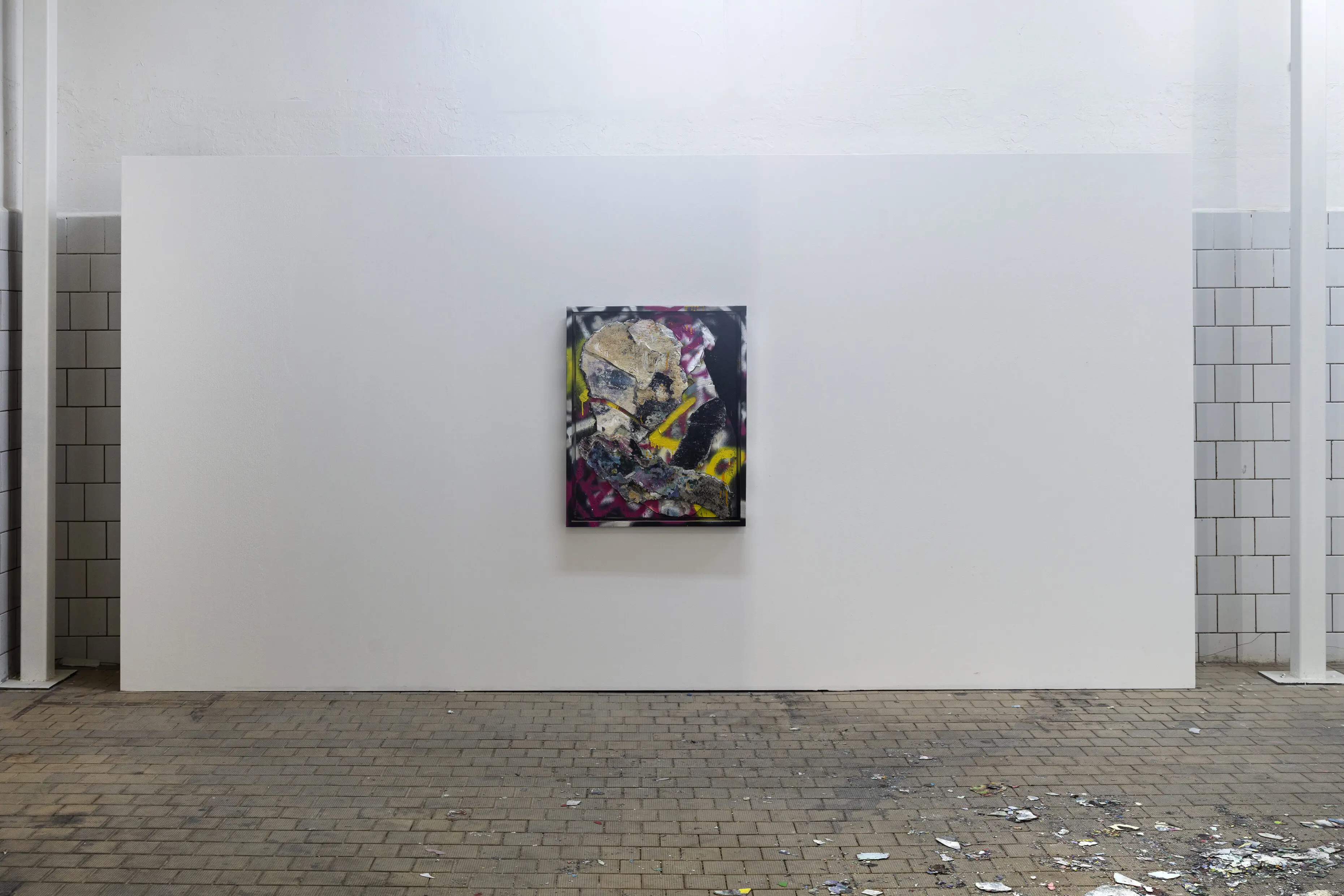
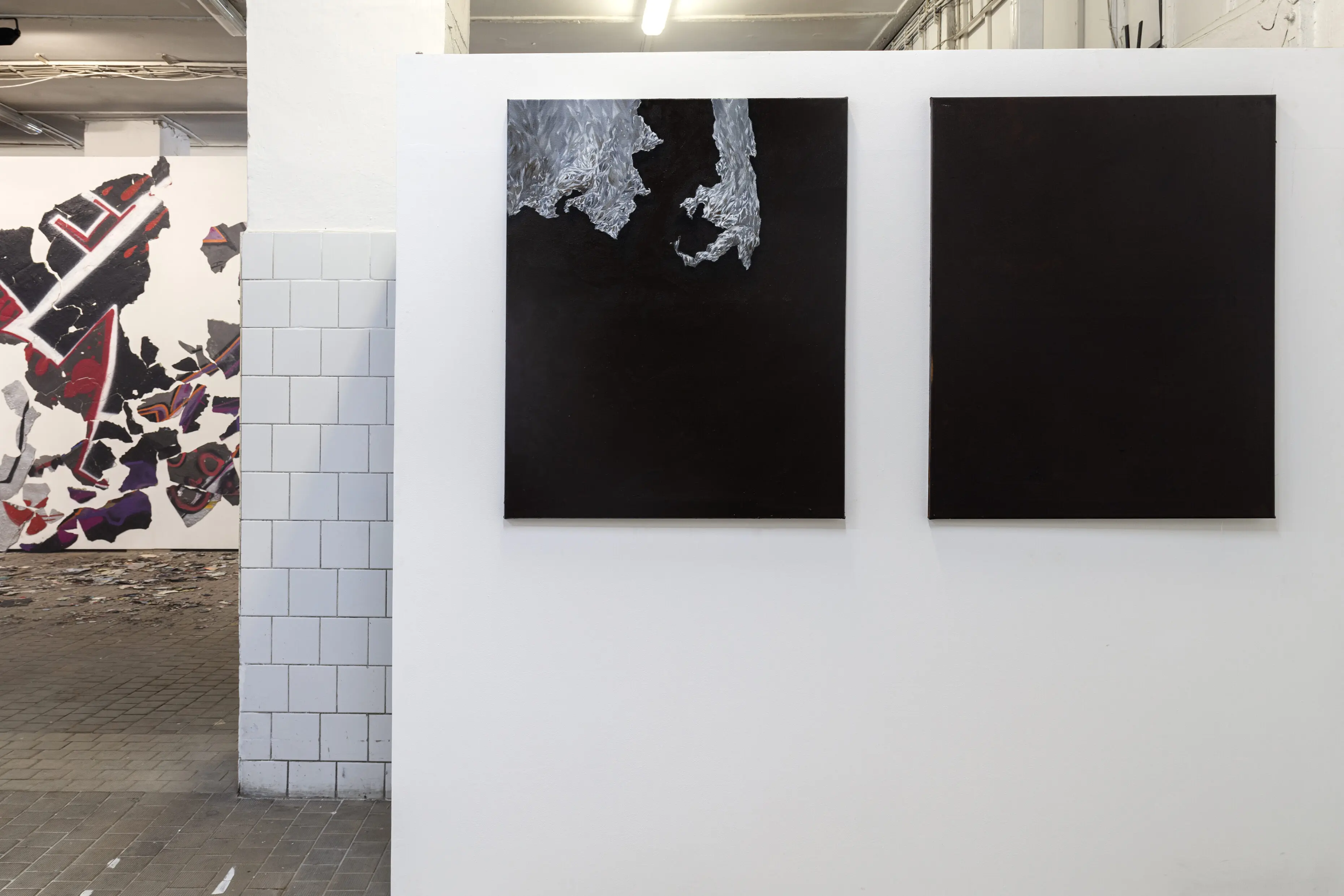
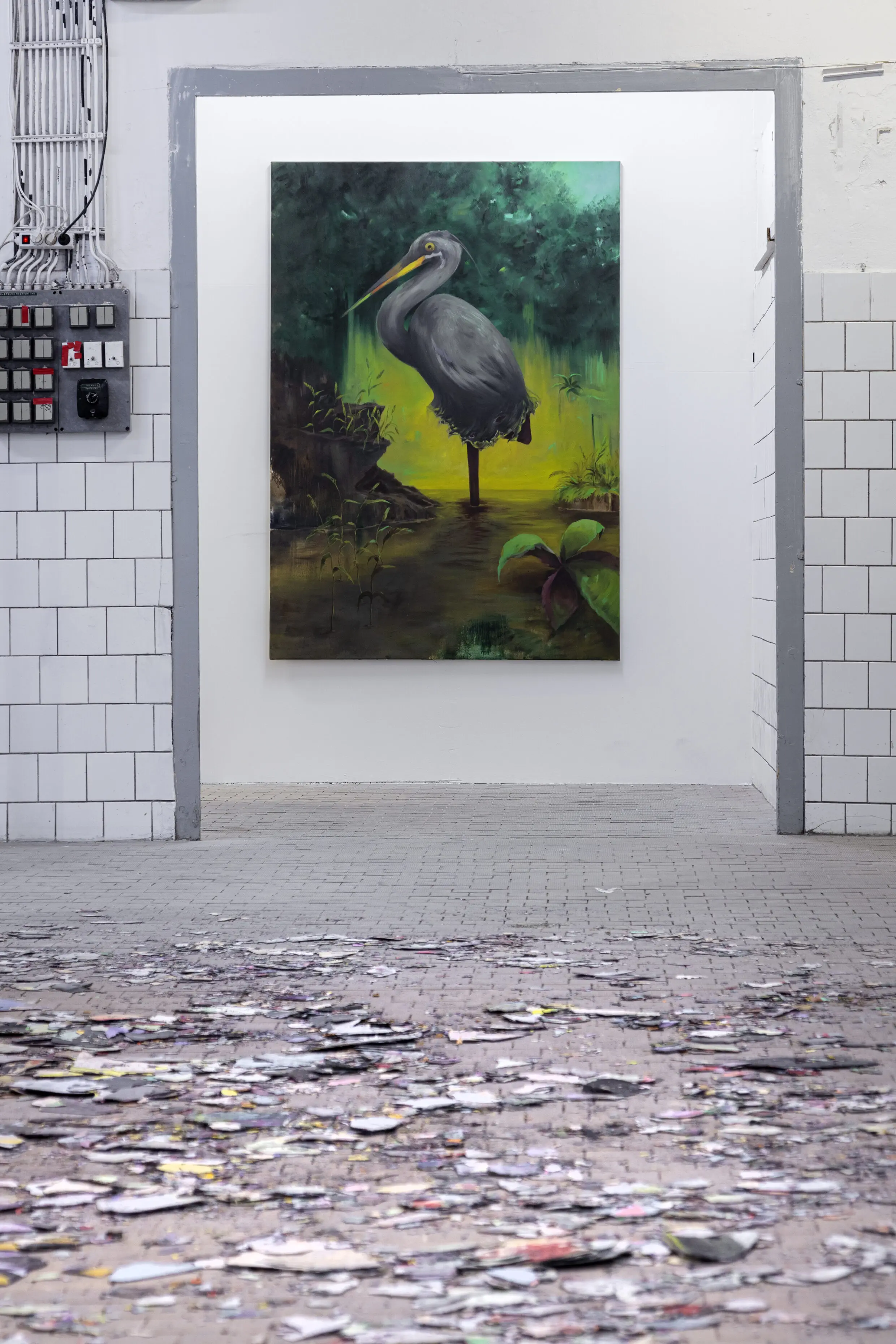
Adéla Kostkanová (born 1986) studied at the intermedia studio at the Academy of Art, Architecture&Design in Prague (UMPRUM) under the guidance of Jiří David and Milan Salák. During her studies, she completed an internship at the Academy of Fine Arts in Anna Daučíková’s studio of new media. In addition, she was in the UMPRUM’s studio of guest lecturers – one semester under the guidance of David Majklovič, the second under the guidance of Nina Beier. Adéla Kostkanová often approaches her visual works in a “sculptural” way and creates artifacts crossing the border between painting an relief. She has an urging need to destroy the existing paintings and give them a “new dimension”. Frequently, she boldly combines various experimental techniques. Currently, she focuses on graffiti as a rich source of inspiration, which she then transforms into new forms and meanings in the studio. The emerging paintings, moving freely between formalistic abstraction and a strongly stylized figure, are (in the author’s words) “memory recordings”, a reflection of everyday reality. For the presentation in The White Room, Adéla created a large-scale museum-like archaeological site-specific installation (monumental puzzle), in which she attempted to create a free-style “reconstruction” and “reinterpretation” of selected and appropriated grafittis, fragments of which she peeled off previously from layers of dried colors around different i/legal locations across Prague that are popular with writers of grafitti. The transformed paintings from remote grafitti zones thus found their way in a new constellation being installed on an “endless” wall in the middle of the gallery.
Lucie Kultová (born 1992) attended the painting studio at UMPRUM in Prague under the direction of Jiří Černický, Marek Meduna and later Michal Novotný. She was an intern at the fine arts department of UMPRUM under Jiří David and Milan Salák, along with Sláva Sobotovičová and Maria de Brugeroll, and at the Academy of Fine Arts (AVU) with Vladimír Skrepl and Jan Šerých. Lucie has also experience from the University of Edinburgh.
For Lucie Kultová, the medium of expression is the canvas and the frame in their physical essence. Destruction and later “reconstruction” is a key work process for her as well. In Lucie’s presentation, the painting is often cut through, its related parts are dislocated, combined with other paintings into spatial constellations that provide peepholes, visual communication and exploration of individual canvases. Here, destruction gives an opportunity to resurrection and the emerging of new spaces and contents. The source for Lucie Kultová’s paintings and installations are existential and intimate moments as well as intensely personal experience that is difficult to convey. The author refers to human instinct in an abstract form with occasionally specific elements. Through painting, she searches fo logic to deny it the next moment.
In 2020, Lucie Kultová decided to programmatically avoid the media spectacularization of her artworks. Therefore, she strictly refuses to document and photograph her artistic pieces which can only be seen “live”. We therefore kindly ask the gallery visitors to respect Lucie’s wish and not to photograph her works.
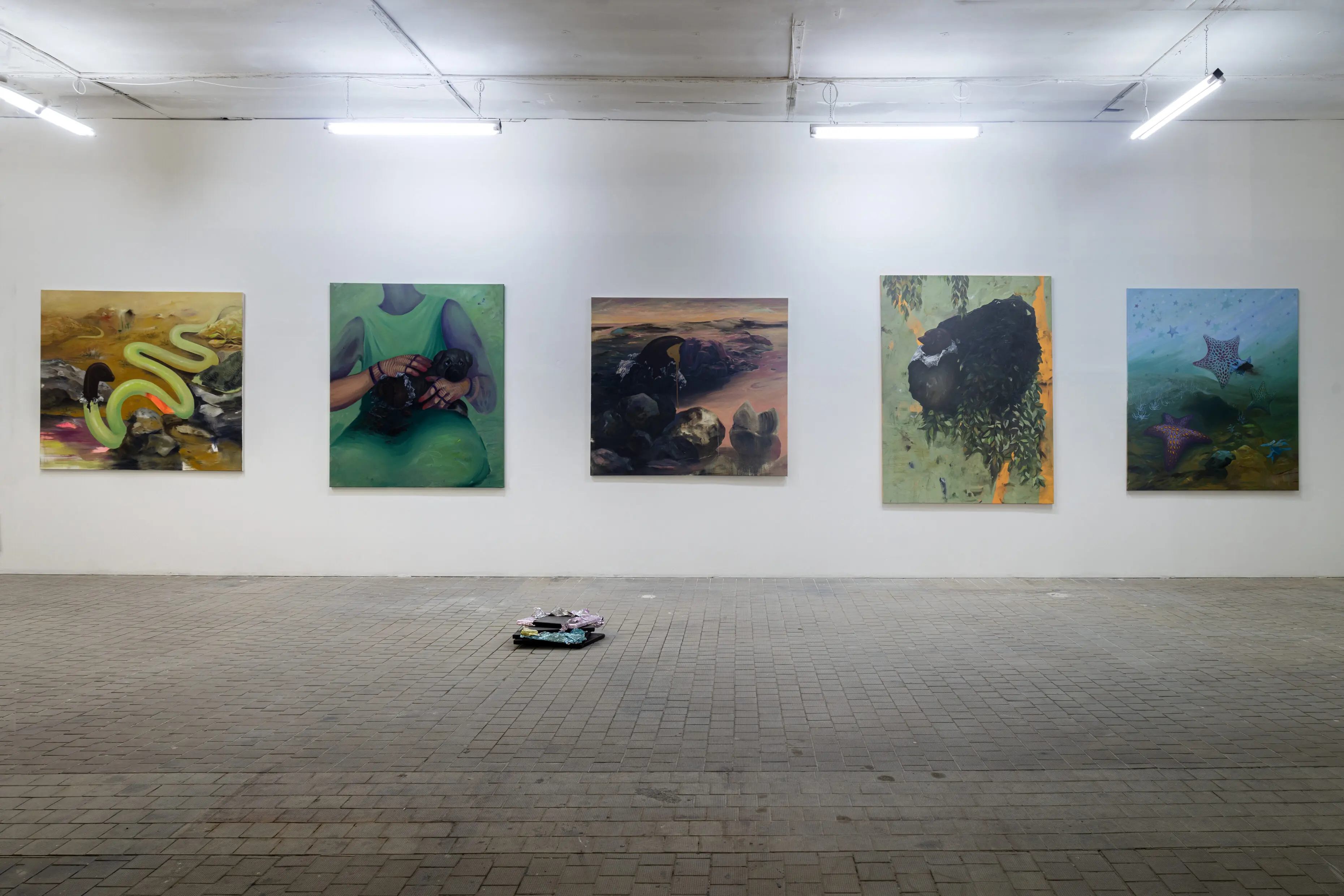
Veronika Nemejovská (born 1986) is a graduate of the intermedia studio under Jiří David and Milan Salák at UMPRUM. Of the three authors, she represents the most traditional and, in a good sense of the word, “conservative” approach to painting. In her work, she focuses primarily on figurative motifs, which she conveys to smooth veristic painting. Veronika draws inspiration from the space between waking and dreaming – the territory where the conscious meets the unconscious. In the presented series of multi-layered and ambiguous paintings, Veronika Nemejovská works with elements of illusion, but also with irony and humor. In the large-format paintings, the motif of torn aluminum foil (or chocolate wrapper) appears repeatedly, which is an imaginary divide between reality and… a dream, fiction, simulation, repressed desire? Apart from paintings, Veronika uses the shiny aluminum foil to emphasize a selected architectural element in the gallery, or to cover (protect) small chocolate monochromes with.
All authors attempt to overcome the restrictive limits of the two-dimensionality in the classic painting by employing various formal methods in a playful and meaningful way – in an informal and enriching dialogue among three distinctive personalities.
One of the bases for the joint presentation of Adéla Kostkanová, Lucie Kultová and Veronika Nemejovská is undoubtedly their close friendship that was born during the studies at UMPRUM. In a certain sense, we can speak of a “generation statement” presented by young female painters.